The commercial food preparation industry is undergoing a structural transition. Sourcing managers and culinary brands no longer view utensils as minor consumables. Instead, they are recognized as critical nodes in operational hygiene, structural safety, and preparation efficiency. The demand for Custom OEM Plastic Spatulas is driven by high-tech polymer developments and changes in global compliance metrics.
In recent years, the market has moved away from low-cost, single-polymer formulations to advanced composite compounds. Modern B2B sourcing requires kitchen tools capable of resisting high thermal loads without releasing micro-compounds. These materials must also resist mechanical fatigue from commercial dishwasher cycles and maintain structural integrity during deep pan scraping. As a result, custom OEM factories are adopting co-injection molding and high-heat engineering thermoplastics to meet these performance goals.
Modern commercial kitchens operate at high temperatures. Engineering plastics such as Nylon 66, Polyphenylsulfone (PPSU), and high-temp food-grade Silicones are replacing standard polyethylene to handle heat zones up to 260°C (500°F).
Integrating antimicrobial metal ions, such as zinc and silver, directly into the plastic matrix provides continuous bacterial resistance. This helps prevent biofilm formation in damp commercial kitchen environments.
Regulatory changes are driving the development of natural fiber-reinforced bioplastics. OEM factories are combining agricultural side-stream materials, like wheat straw, with recycled polymers to create durable, sustainable kitchenware.
Foshan Auroch Kitchen Co., Ltd. is a professional manufacturer and supplier specializing in high-quality kitchenware and food preparation solutions. Based in Foshan, Guangdong Province, the company operates advanced production facilities equipped with modern assembly lines, research and development centers, and rigorous quality control systems. Auroch Kitchen focuses on designing and producing durable, efficient, and user-friendly kitchen products suitable for homes, restaurants, and commercial catering environments.
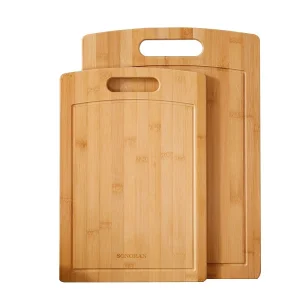
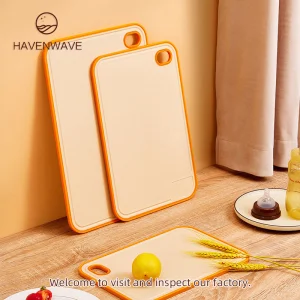
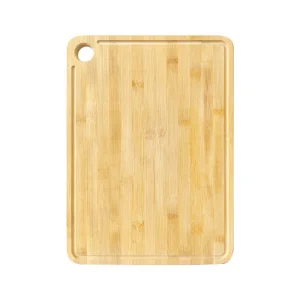
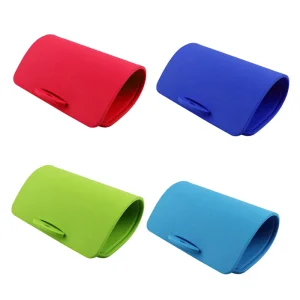
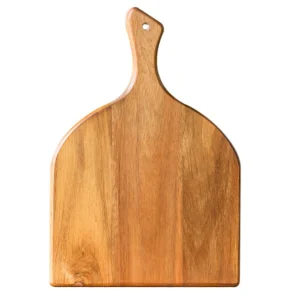
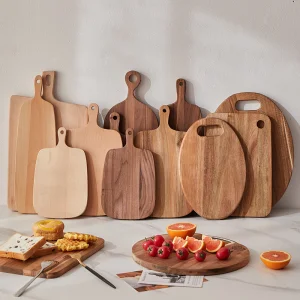
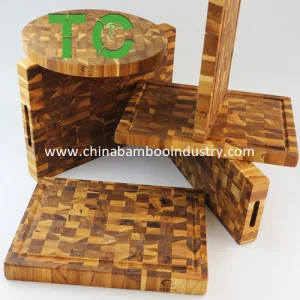
The company’s main business covers a wide range of cutting and food preparation products, including wooden cutting boards, plastic cutting boards, bamboo cutting boards, flexible cutting mats, and butcher block boards. Each product is crafted using premium materials and strict manufacturing standards to ensure sturdiness, hygiene, and long-term durability. Designed for versatility and convenience, these cutting solutions cater to different cooking needs, from everyday meal prep to professional culinary applications. Auroch Kitchen also provides customizable options to meet specific kitchen layouts and operational requirements.
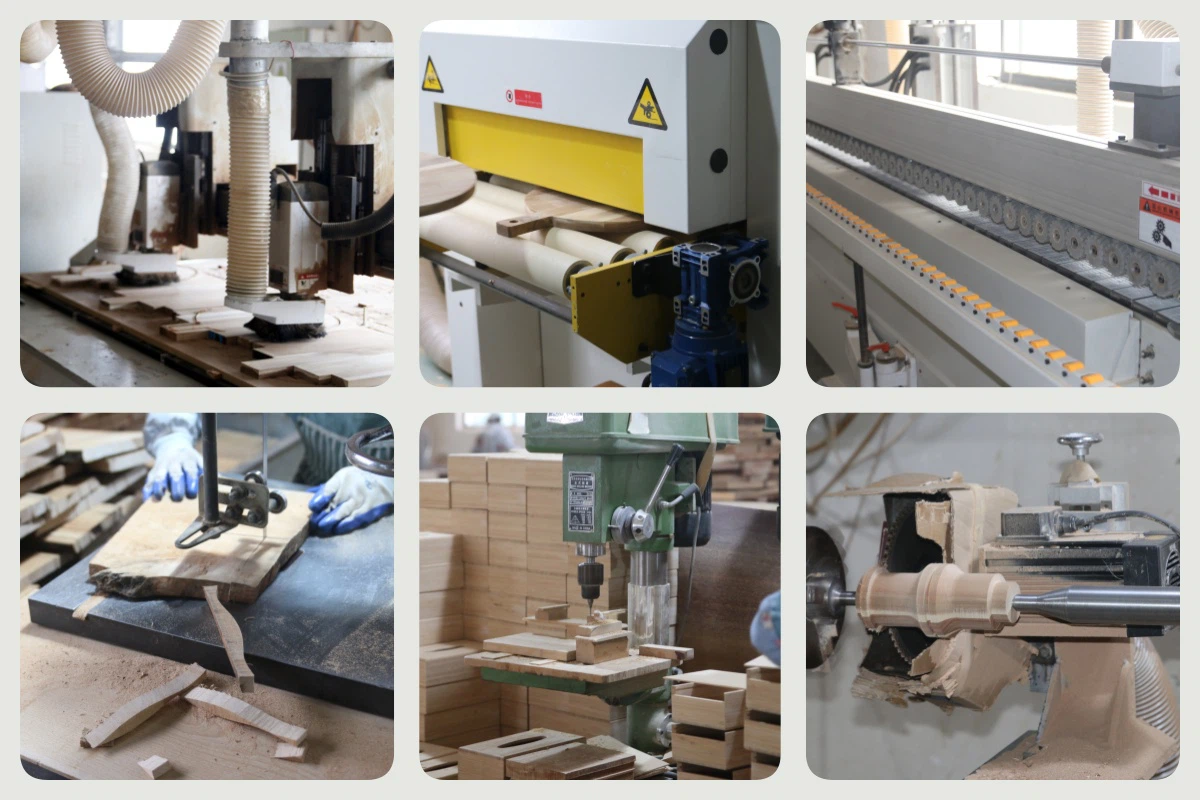
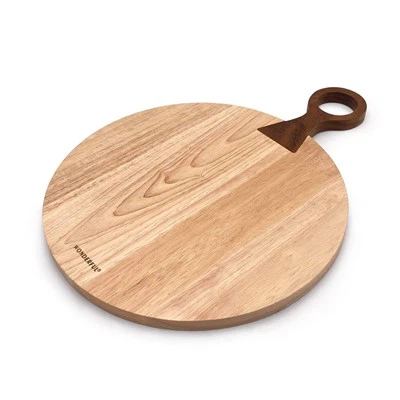
Foshan Auroch Kitchen Co., Ltd. employs a skilled team of engineers, product designers, quality control specialists, and customer service professionals. The company offers comprehensive support from product design and manufacturing to after-sales service, ensuring customer satisfaction at every stage.
Guided by principles of innovation, quality, and practicality, Auroch Kitchen continues to expand its presence in domestic and international markets, delivering reliable and high-performance cutting boards and kitchenware solutions that enhance efficiency, safety, and convenience in food preparation.
"By integrating advanced materials science with precise molding processes, we deliver OEM kitchenware solutions that meet strict global sanitation and durability standards."
Sourcing custom plastic spatulas and kitchenware from Foshan, China offers significant supply chain advantages. The region combines specialized industrial clusters, raw material access, and advanced manufacturing technologies. This infrastructure allows factories to maintain high product quality while keeping production costs competitive.
At Auroch Kitchen, we use automated injection molding systems with real-time pressure and temperature monitoring. This ensures every spatula produced matches the client's specifications. Automated manufacturing also minimizes manual handling, lowering the risk of contamination and improving structural consistency.
Additionally, the localized supply chain in Guangdong Province ensures quick access to food-grade pigments, structural fillers, and custom packaging. This integrated ecosystem shortens turnaround times for tool design, prototyping, and mass production, helping global brands respond quickly to changing market demands.
We use high-precision CNC machinery and EDM techniques to create molds with tight tolerances. This helps prevent flash lines and ensures smooth, hygienic edges on every molded spatula.
Our quality control process includes batch-testing for melt flow indices, tensile strength, and color fastness. We also perform regular stress tests to simulate commercial kitchen use.
Foshan’s proximity to major shipping ports like Shenzhen and Guangzhou allows for efficient international shipping. We coordinate export documentation and customs clearance for smooth delivery.
Selecting the correct polymer is critical to ensuring your custom plastic spatulas perform well in their intended applications. Different formulations offer distinct advantages in terms of heat resistance, flexibility, and chemical durability. The table below compares the primary materials used in our OEM production lines:
| Material Type | Max Temp Limit | Flexibility Index | Best Application Scenarios | Compliance Approvals |
|---|---|---|---|---|
| Nylon 66 (Glass-Reinforced) | 220°C / 428°F | Low (Rigid & Strong) | Heavy-duty flipping, scraping, commercial griddle use | FDA, LFGB, EU 10/2011 |
| Food-Grade Silicone (Overmolded) | 260°C / 500°F | High (Soft & Flexible) | Baking, non-stick pan protection, bowl scraping | FDA, LFGB, REACH |
| Polypropylene (PP Compound) | 110°C / 230°F | Medium (Semi-Rigid) | Cold food prep, mixing, high-volume economy lines | FDA, BPA-Free |
| Copolyester (Tritan Equivalent) | 100°C / 212°F | Low (High Clarity) | Clear structural handles, display kitchen serving utensils | FDA, NSF Certified |
Beyond base polymers, we can customize material blends with food-safe additives. These include glass microspheres for stiffness, specialized elastomers for comfortable handles, and custom color masterbatches to match your brand identity.
Industrial food operations require specialized tools. Standard consumer spatulas often fail under the demands of commercial use. Custom-designed OEM spatulas are engineered to meet the needs of specific commercial settings:
In high-speed kitchens, spatulas face constant contact with hot flat-tops. Reinforced nylon spatulas provide the stiffness needed to scrape surfaces and flip proteins efficiently without melting.
Large-scale baking requires flexible, hygienic spatulas. Continuous-molded silicone spatulas prevent ingredients from sticking, wipe bowls clean to reduce waste, and contain no crevices where batter can build up.
To prevent cross-contamination, we manufacture spatulas in distinct colors matching HACCP guidelines. This allows kitchens to assign specific colors to allergen, raw meat, or dairy stations.
For procurement managers, choosing a manufacturing partner requires verifying design capabilities, quality control, and production capacity. Foshan Auroch Kitchen uses a structured OEM/ODM workflow to ensure projects move smoothly from initial design to final delivery:
| Workflow Phase | Description & Key Deliverables | Typical Timeline |
|---|---|---|
| 1. Technical Consulting | We analyze material requirements, application conditions, target costs, and compliance needs. | 3 - 5 Days |
| 2. 3D Prototyping | We generate detailed CAD models and produce 3D-printed samples for fit and ergonomic testing. | 5 - 7 Days |
| 3. Mold Fabrication | We machine precision injection molds from high-grade steel, optimized for long production runs. | 25 - 35 Days |
| 4. Pilot Run & Testing | We run a small trial batch to verify dimensions, color matching, and physical properties. | 5 - 7 Days |
| 5. Mass Production | We begin full-scale production using automated injection molding and inline quality control. | 15 - 25 Days |
By managing every step in-house, we can adjust parameters quickly, control production costs, and maintain consistent quality across large manufacturing runs.
 Auroch Kitchen