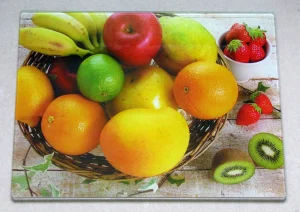
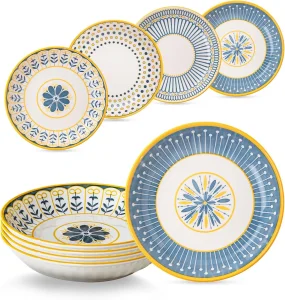
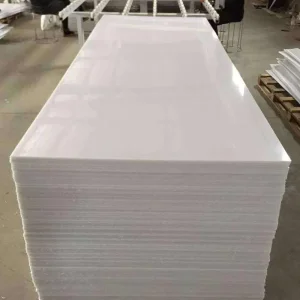
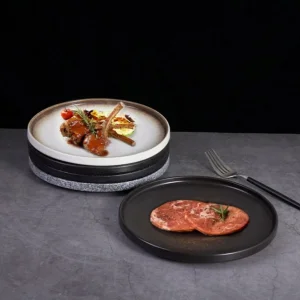
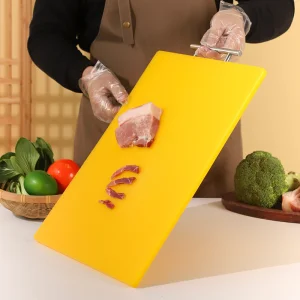
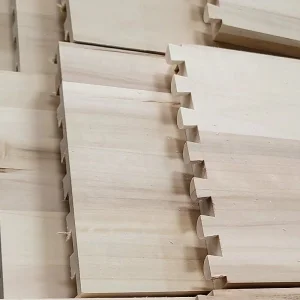
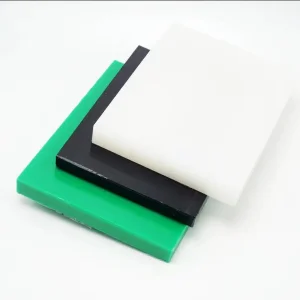
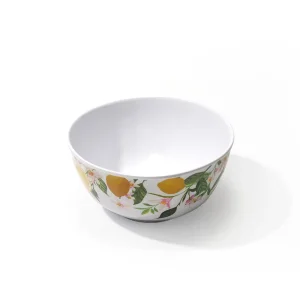
Explore a selection of high-durability kitchenware, food preparation boards, and tableware designed to meet international safety and structural standards.
In the modern global consumer products and corporate merchandising markets, the humble wooden coaster has evolved. No longer treated as just a utilitarian accessory to protect surfaces, wooden coasters are now strategic design elements reflecting corporate sustainability, high-end hospitality experiences, and artisanal craftsmanship. Global procurement managers, retail chains, and promotional agencies require a deep understanding of the manufacturing ecosystem to secure robust supply chains that deliver consistency, visual excellence, and strict environmental compliance.
Choosing the correct wooden coaster factory involves evaluating dimensions far beyond raw unit cost. Procurement leaders must analyze timber drying techniques, moisture level control, finishing chemical safety, precision laser etching/engraving capabilities, and ethical sourcing certificates (such as FSC). As environmental laws tighten in the EU (e.g., EUDR) and North America, selecting a partner with a transparent timber origin tracking program is critical.
When selecting from the "Top 10 Wooden Coaster Factories" globally, seasoned procurement directors utilize a matrix that evaluates technical capability alongside traditional capacity metrics. The list below outlines the core pillars that define a tier-1 manufacturing partner:
Proper wood seasoning prevents split edges and warping. Advanced factories utilize dehumidification chambers and automated kiln-drying processes to stabilize hardwood timber prior to cutting.
Tier-1 factories offer precision cutting within a +/- 0.5mm margin using multi-axis CNC routers. This guarantees that custom branding, deep laser engravings, and intricate inlay works are consistent across millions of units.
Because coasters contact condensation and occasionally foods, the top manufacturers employ organic oils, plant waxes, or EU LFGB-compliant waterborne sealants that contain zero toxic VOCs.
Stable factories maintain direct supply lines with managed forestry networks in North America, Europe, and sustainable domestic plantations. This ensures steady unit pricing even during global timber logistics bottlenecks.
Integrating barcode tracking, ERP-managed inventory, and robotic sanding lines reduces manual labor overhead, leading to reliable lead times and predictable product quality.
A premier manufacturer must pass regular third-party audits including BSCI, SMETA, and ISO 9001, proving ethical working conditions, fair pay, and environmental responsibility.
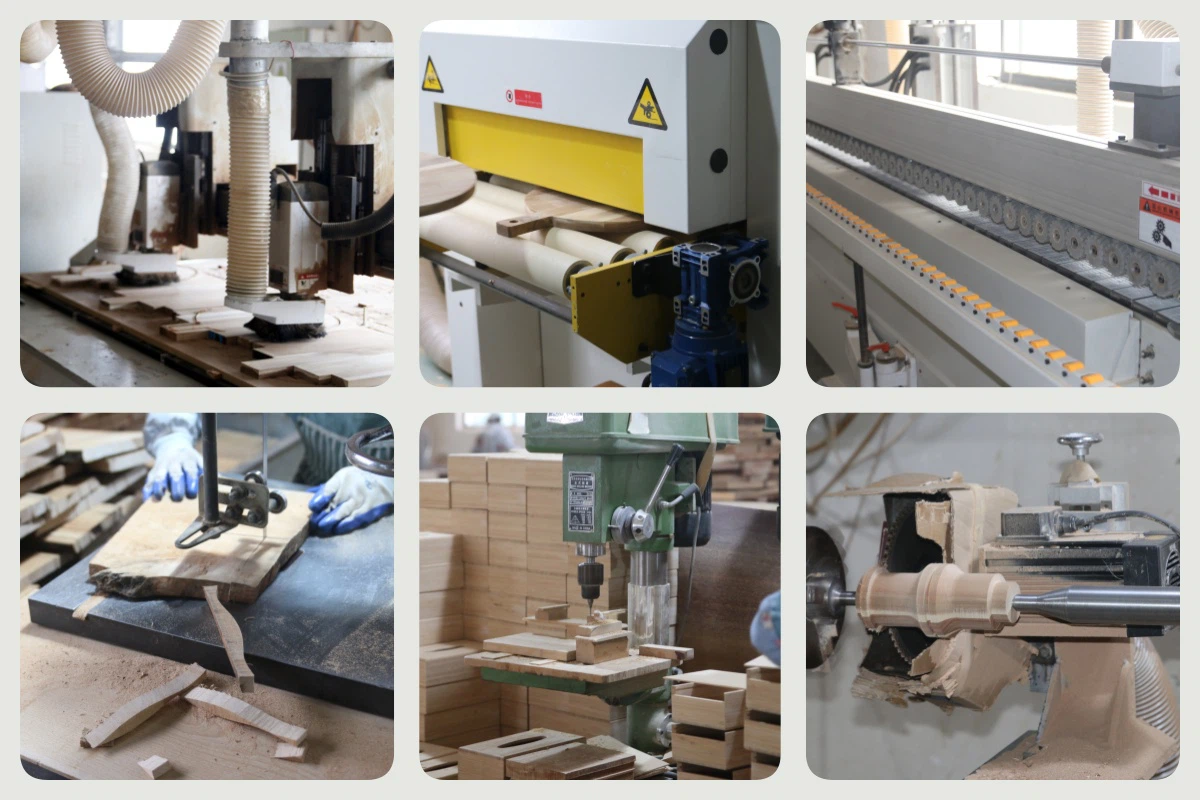
China remains the undisputed powerhouse of wooden consumer goods and homeware manufacturing, driven by extensive clusters in provinces like Guangdong, Fujian, and Zhejiang. The transition toward China Industry 4.0 has equipped factories in regions like Foshan with highly integrated, automated supply networks that traditional manufacturers in developing economies cannot easily replicate.
By blending traditional woodworking knowledge with modern digital controls, Chinese manufacturers achieve unparalleled efficiency. The complete integration of raw wood drying, high-speed automated milling, digital laser engraving, and custom packaging line mechanics within single industrial parks drastically reduces lead times. Furthermore, the localized availability of eco-friendly varnishes, composite backing materials (such as high-grade cork, felt, silicone, or EVA foam), and robust shipping infrastructures ensures that goods transition from raw logs to global distribution centers with minimal friction.
Key indicators of China's automated manufacturing advantage in the woodware and tableware sector include:
| Process Element | Traditional Method | Industry 4.0 Standard |
|---|---|---|
| Raw Timber Sorting | Manual Inspection | AI-Vision Moisture & Defect Scanning |
| Shaping & Carving | Manual Lathe/Bandsaw | High-Speed Multi-Axis CNC Routers |
| Branding & Etching | Hot Brand Stamping | High-Precision Fiber Laser Systems |
| Lacquering & Curing | Air Spray / Air Dry | Electrostatic Spraying & UV Tunnel Curing |
The durability and functionality of a wooden coaster are dictated by material science. Simple wood disks swell, crack, mold, or stick to cups due to condensation. Leading factories use a defined technical roadmap to solve these inherent issues:
Applying nanoscale polyurethane or ceramic-infused wood oils prevents water molecules from penetrating the wood grain. Condensation beads up on the surface without leaving permanent white water rings.
To deliver modern visual aesthetics, advanced factories integrate materials such as tempered glass, porcelain inserts, or brushed brass inlays into the solid wood bases, combining organic beauty with thermal stability.
Affixing natural cork, non-slip silicone, or dense felt backings beneath the wood body compensates for natural thermal shifts, while safeguarding delicate tabletop finishes from scratches.
For multinational hotel brands, restaurant chains, and retail buyers, procurement is a systematic process requiring rigorous documentation and risk mitigation. The purchasing matrix must encompass specific technical options, packaging safety parameters, and custom logistics coordination:
Coasters are prime real estate for brand messaging. Tier-1 factories support high-end branding through:
Enterprise procurement departments demand robust logistics and quality tracking protocols:
Foshan Auroch Kitchen Co., Ltd. is a professional manufacturer and supplier specializing in high-quality kitchenware and food preparation solutions. Based in Foshan, Guangdong Province, the company operates advanced production facilities equipped with modern assembly lines, research and development centers, and rigorous quality control systems. Auroch Kitchen focuses on designing and producing durable, efficient, and user-friendly kitchen products suitable for homes, restaurants, and commercial catering environments.
The company’s main business covers a wide range of cutting and food preparation products, including wooden cutting boards, plastic cutting boards, bamboo cutting boards, flexible cutting mats, and butcher block boards. Each product is crafted using premium materials and strict manufacturing standards to ensure sturdiness, hygiene, and long-term durability. Designed for versatility and convenience, these cutting solutions cater to different cooking needs, from everyday meal prep to professional culinary applications. Auroch Kitchen also provides customizable options to meet specific kitchen layouts and operational requirements.
Foshan Auroch Kitchen Co., Ltd. employs a skilled team of engineers, product designers, quality control specialists, and customer service professionals. The company offers comprehensive support from product design and manufacturing to after-sales service, ensuring customer satisfaction at every stage. Guided by principles of innovation, quality, and practicality, Auroch Kitchen continues to expand its presence in domestic and international markets, delivering reliable and high-performance cutting boards and kitchenware solutions that enhance efficiency, safety, and convenience in food preparation.
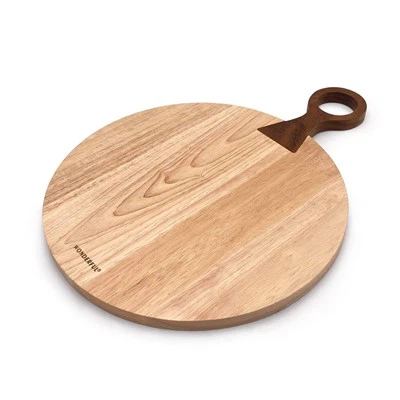
While cutting boards are a major focal point, their extensive timber processing machinery, wood conditioning chambers, and high-precision CNC capacity allow them to serve as a world-class manufacturing center for custom wooden coasters, structural wooden platters, and composite tableware bases for global brands.
Navigating international borders requires absolute clarity regarding trade compliance, import duties, and local regulations. A top-tier manufacturing partner provides extensive localized document support, eliminating transit hold-ups and customs delays. This includes preparing and verifying certificates of origin (CO) to optimize tariff treatments under regional trade agreements (like RCEP, USMCA, or EU-China trade terms).
Furthermore, international chemical safety compliance is critical. Wooden tableware, serving boards, and coasters must comply with European LFGB testing guidelines and United States Food and Drug Administration (FDA) standards for surface-contact materials. Ensuring all adhesives and surface sealants are non-toxic, formaldehyde-free, and lead-free protects retail distributors and hospitality groups from product recalls and liability concerns.
Warping is caused by moisture exchange. Top factories control this by kiln-drying raw timber to a stable moisture range of 8% to 12% before production. Laser moisture meters inspect the wood at multiple intervals, and the finished products are sealed with moisture-resistant oils or lacquers to prevent water absorption.
For standard shapes with customized laser engraving, typical production times range from 20 to 35 days, depending on order size. Complex composite designs (e.g., wood mixed with marble, glass, or metal inserts) require 35 to 45 days. Localized sourcing and automated processing at facilities like Auroch Kitchen help stabilize these timeframes.
Yes, professional factories use glues and surface coatings that meet FDA and LFGB standards. Finishes are typically organic linseed oil, natural beeswax, or food-safe water-based polyurethane sealers that emit zero VOCs.
Absolutely. Many leading Chinese factories maintain production lines for ceramics, tempered glass, and plastics. This allows them to create hybrid products (e.g., wooden outer rings with tempered glass or porcelain centers) seamlessly.
For standard timber profiles (Acacia or Beech), the custom branding MOQ is typically 1,000 to 2,000 units. For fully bespoke geometric shapes, MOQs usually start at 3,000 units to offset the cost of setup and CNC programming.
The EUDR requires importers to prove that wood products did not originate from deforested land. Trusted factories partner closely with certified FSC suppliers to provide the GPS coordinates of the harvest plots, ensuring trouble-free customs clearance in Europe.
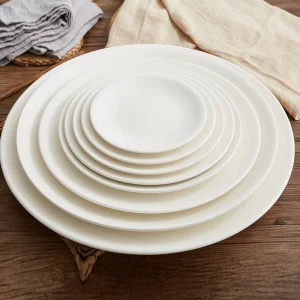
Browse additional technical kitchen products, dinner plates, and safety mats representing the depth of modern Chinese tableware manufacturing:
 Auroch Kitchen