Explore our newly engineered food preparation tools, heavy-duty hospitality systems, and customized domestic serving collections.
An authoritative analysis of food contact material safety, industrial manufacturing methodologies, thermal performance, and certification pathways.
In the modern hospitality, catering, and retail sectors, procurement executives face complex demands. Selecting a ceramic teapot manufacturer goes far beyond aesthetic appeal. It requires evaluating chemical compliance, thermal performance, and supply chain scalability. Ceramic teapots utilized in hotel food service (HoReCa) must withstand harsh conditions: commercial dishwashing, high temperature sterilizers, thermal shock, and constant impact.
Global brand managers and purchasing directors must evaluate the chemical stability of glazes. Lower-tier ceramic suppliers may use lead or cadmium-based fluxes to achieve vibrant colors at lower firing temperatures. If not properly vitrified, these toxic heavy metals can leach into acidic beverages, presenting a major public health hazard and liability.
High-performance ceramic teapots rely on precise mineral compositions. Kaolin provides plasticity and structural integrity, quartz controls thermal expansion, and feldspar acts as a flux during vitrification. The firing process is equally critical. For vitrified porcelain or stoneware teapots, firing temperatures must exceed 1280°C (2336°F).
This high-temperature environment fuses minerals into a glass-like structure with a water absorption rate under 0.5%. This vitrification prevents liquid absorption, bacteria cultivation, and odors, while ensuring the teapot handles thermal shock ($\Delta T \geq 150^\circ\text{C}$).
Exporting to Europe requires strict compliance with food contact safety standards. CE certification for ceramic teapots centers on verifying that chemical release levels fall below legal thresholds.
Manufacturers must issue a formal Declaration of Compliance (DoC). This document details testing protocols under BS EN 1388-1 or ISO 6486-1, mapping traceability back to raw materials and batch production runs.
The manufacturing process combines automated slip-casting, high-tonnage dry pressing, and meticulous manual inspection:
| Phase | Process Description | Key Quality Control Metric |
|---|---|---|
| Forming | High-pressure slip casting & CNC mold alignment. | Wall thickness uniformity (±0.5mm tolerance). |
| Bisque Firing | Dehydration and organic binder burnout at 900°C. | Green-state density verification. |
| Glazing | Robotic spray application or dip-coating with lead-free glaze. | Glaze thickness checks (150μm - 200μm). |
| Glost Firing | Vitrification in tunnel kilns at 1320°C. | Deformation checks & spot-pinhole checks. |
| Compliance Test | Random batch acid leaching and thermal shock testing. | Zero crack propagation after rapid heating & cooling. |
A premier manufacturer and supplier specializing in high-quality kitchenware and food preparation solutions.
Foshan Auroch Kitchen Co., Ltd. is a professional manufacturer and supplier specializing in high-quality kitchenware and food preparation solutions. Based in Foshan, Guangdong Province, the company operates advanced production facilities equipped with modern assembly lines, research and development centers, and rigorous quality control systems. Auroch Kitchen focuses on designing and producing durable, efficient, and user-friendly kitchen products suitable for homes, restaurants, and commercial catering environments.
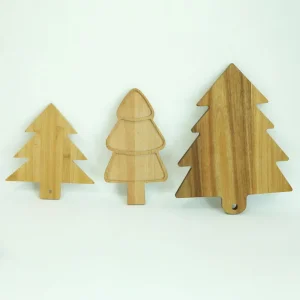
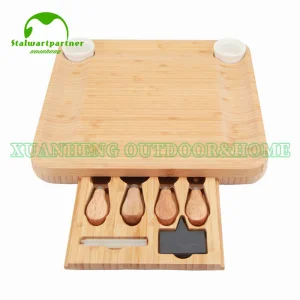
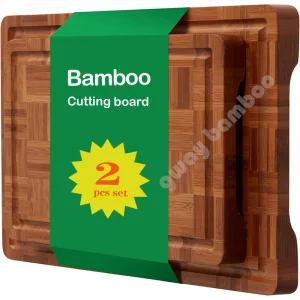
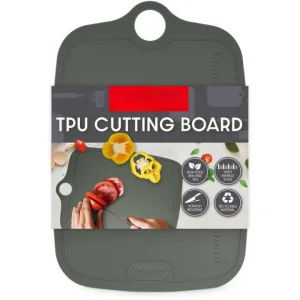
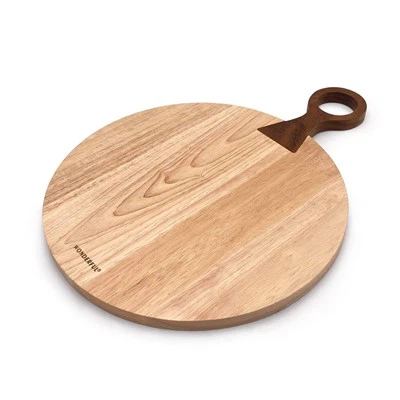
The company’s main business covers a wide range of cutting and food preparation products, including wooden cutting boards, plastic cutting boards, bamboo cutting boards, flexible cutting mats, and butcher block boards. Each product is crafted using premium materials and strict manufacturing standards to ensure sturdiness, hygiene, and long-term durability. Designed for versatility and convenience, these cutting solutions cater to different cooking needs, from everyday meal prep to professional culinary applications. Auroch Kitchen also provides customizable options to meet specific kitchen layouts and operational requirements.
Foshan Auroch Kitchen Co., Ltd. employs a skilled team of engineers, product designers, quality control specialists, and customer service professionals. The company offers comprehensive support from product design and manufacturing to after-sales service, ensuring customer satisfaction at every stage. Guided by principles of innovation, quality, and practicality, Auroch Kitchen continues to expand its presence in domestic and international markets, delivering reliable and high-performance cutting boards and kitchenware solutions that enhance efficiency, safety, and convenience in food preparation.
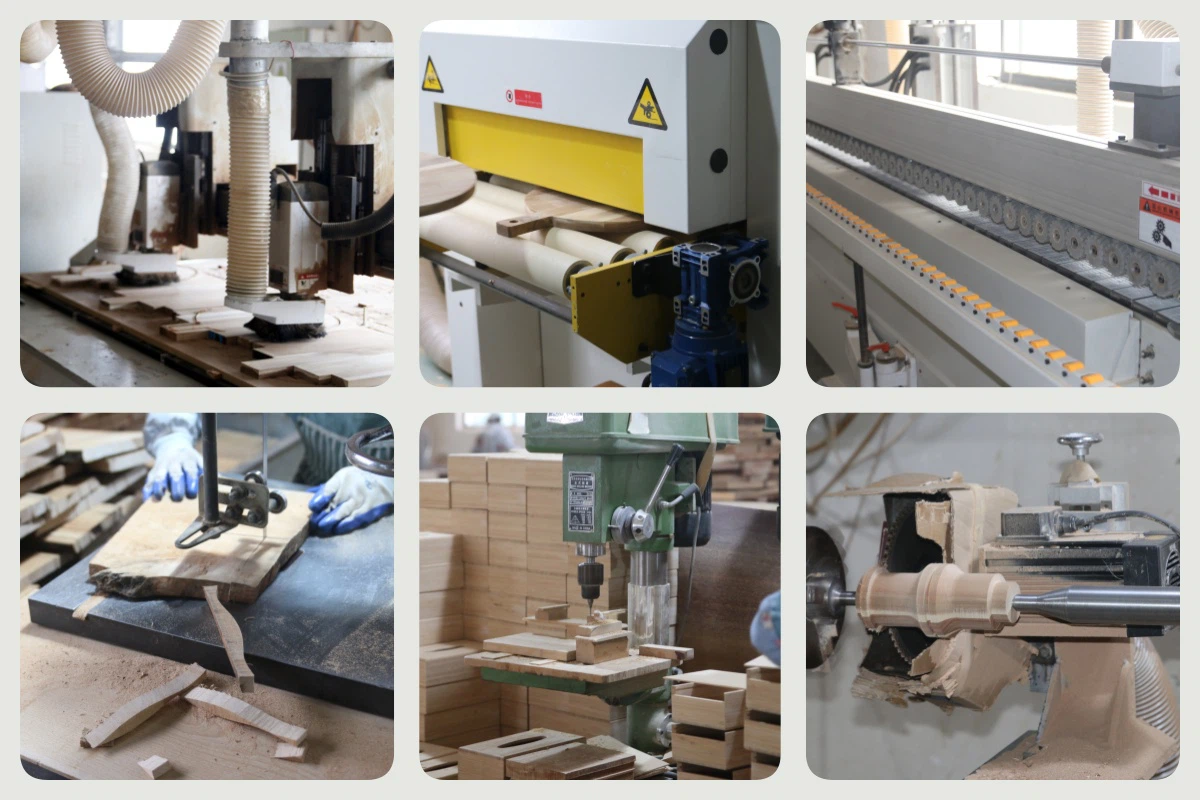
How our manufacturing lines incorporate advanced thermal modeling, automated glaze applications, and energy-efficient kilns.
We utilize Finite Element Analysis (FEA) to simulate thermal stress across teapot spouts and handles. This preventative approach identifies high-stress zones during pouring cycles, optimizing wall thickness for long-term durability.
By switching to high-convection, recuperative burner gas kilns, we have lowered fuel consumption by 18% per batch. This reduces scope-1 emissions while ensuring precise temperature uniformity within the kiln chamber.
Leveraging specialized center-of-gravity calculations, we ensure our teapot handles minimize wrist strain. Dripless spout shapes prevent table staining, which is crucial for busy, high-volume dining environments.
Expert technical answers regarding ceramic formulation, commercial compliance, logistics, and bulk order customization.
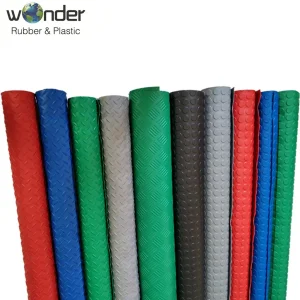
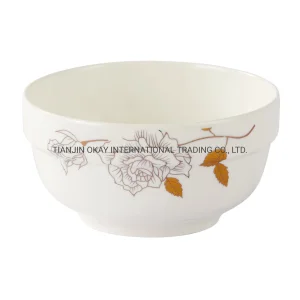
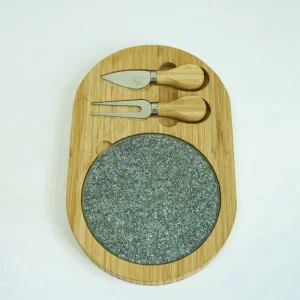
Check out our durable cutting surfaces, tableware essentials, and floor protection systems designed for modern residential and commercial environments.
 Auroch Kitchen