Why Choose Multi Purpose Plates for Daily Meals?

Time:2026-10-21 Author:Henry
0%

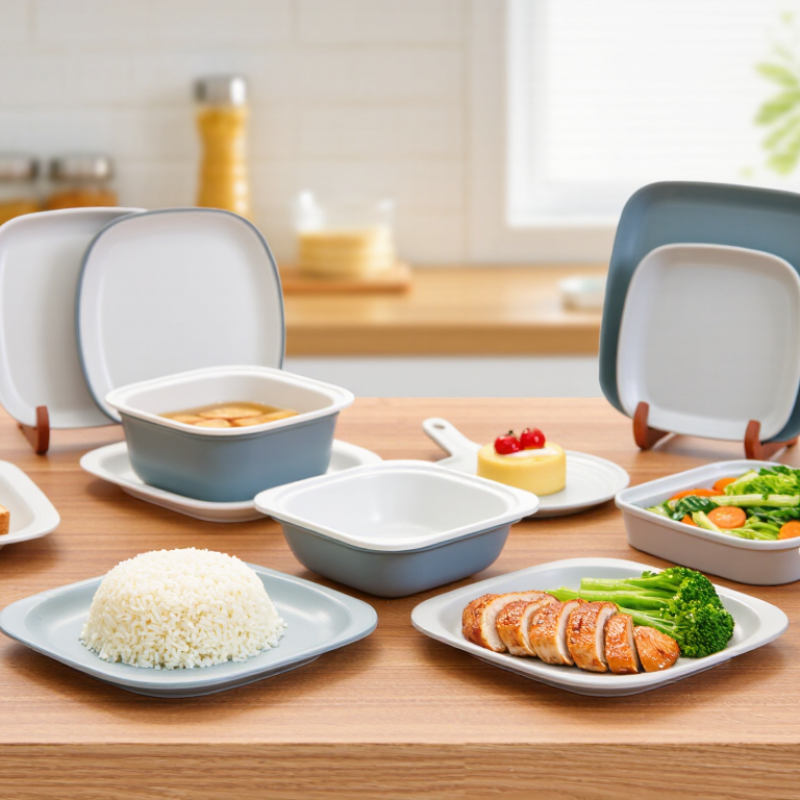
Choosing the right plate can quietly improve everyday meals. A well-designed multi-purpose plate supports breakfast, lunch, dinner, snacks, and casual entertaining. It may hold toast and fruit in the morning, then rice, vegetables, and grilled chicken at night. This flexibility saves cabinet space and reduces the need for specialized dishware. It also makes table setting simpler during busy weekdays.

The best choice depends on material, size, weight, shape, and care requirements. Porcelain and stoneware often provide a stable surface and a substantial feel. Tempered glass can offer a lighter, clean-looking option. Check whether the plate is microwave-safe, dishwasher-safe, and free from rough edges. A slightly raised rim can help contain sauces without making the plate feel restrictive. Small details matter. A 10-inch plate may suit balanced main meals, while a smaller plate works better for desserts or children’s portions. These measurements are practical guides, not strict rules.

Understanding how to select multi-purpose plates for daily meals requires honest attention to household habits. A family that eats soup frequently may need deeper designs. Someone with limited storage may prefer stackable plates. I have found that appearance can be persuasive, yet uncomfortable weight and staining quickly change daily satisfaction. That deserves reflection. “Elegant” does not always mean useful. Reliable choices should combine safe materials, durable construction, comfortable handling, and realistic maintenance. Product labels and manufacturer instructions remain important, especially when using plates with heat, acidic foods, or repeated washing. A careful selection can support convenient meals without turning ordinary dining into an unnecessary expense.
Why Choose Multi Purpose Plates for Daily Meals?

Multi-Purpose Plates Defined: Materials, Sizes, and Everyday Functions

Multi-purpose plates are designed for more than serving dinner. Their value depends on material, size, and daily handling.

Ceramic and porcelain plates offer a stable surface for hot meals, sauces, and baked dishes.

Porcelain is usually lighter and less porous, while ceramic often feels thicker and more handmade.

Tempered glass is practical for visible food presentation and quick cleaning. Stainless steel is durable, but it can feel less comfortable with very hot food.

Size changes how useful a plate becomes. An eight-inch plate suits breakfast, fruit, or smaller portions.

A ten- to twelve-inch plate gives rice, vegetables, and protein enough space without crowding.

A slightly raised rim helps contain soup-like sauces. A flat center works better for sandwiches and roasted vegetables.

Small details matter.

Daily function matters most. A plate should stack securely, fit your cabinet, and work with your dishwasher or microwave when approved by its care instructions.

Avoid sudden temperature changes with glass, even when it is heat-resistant.

I once chose a wide plate for its elegant shape, but it barely fit the dishwasher. It looked sensible in the store. It was not.

Rounded edges can improve handling, while excessive weight becomes tiring during repeated use.

Some plates also scratch easily when dragged across hard surfaces, so care instructions deserve attention rather than assumption.

Portion Planning: USDA MyPlate Recommends Filling Half the Plate with Produce

A multi-purpose plate can make everyday meals easier to balance, especially when portions feel confusing. The USDA MyPlate guide recommends filling half the plate with fruits and vegetables. This visual rule works well at home, where serving sizes often grow without notice. A divided or wide-rimmed plate creates clear space for produce, grains, and protein.

I use the produce section before adding rice or pasta. Spinach, roasted carrots, sliced cucumber, or an apple can fill it quickly. Color also helps me notice variety. Green leaves, red peppers, and orange squash look inviting together.

The remaining half can hold lean protein and whole grains, adjusted for hunger, age, activity, and health needs. Water beside the plate keeps the meal practical.

The method is useful, but it is not a strict measuring system. Some vegetables shrink during cooking, and frozen produce may suit busy evenings. I sometimes overfill the grain section when tired. That small mistake shows why a multi-purpose plate helps. It gives the eye a reset point without requiring scales. People with diabetes, food allergies, or other conditions should seek personalized advice from a qualified health professional. Healthy eating is rarely perfect. It should remain workable.

Food-Waste Reduction: UNEP Recorded 1.05 Billion Tonnes Wasted in 2022

Why Choose Multi Purpose Plates for Daily Meals?

The United Nations Environment Programme recorded 1.05 billion tonnes of food waste in 2022. Households created about 60% of that waste. This figure makes ordinary mealtime choices worth examining. A multi purpose plate can support smaller, measured servings without making meals feel restrictive. Its usable shape suits rice, vegetables, fruit, and leftovers on one surface. A moderate portion may leave less food scraped into the bin. Still, the plate itself is not a magic solution. I sometimes serve too much when I am hungry.

Tips: Serve half your usual portion first. Add more only if needed. Keep yesterday’s vegetables visible in one section. Use the plate’s open space for foods that need finishing soon. A quick glance helps, but it cannot replace careful planning.

For daily use, choose a plate that feels stable and is easy to clean. A wide rim can separate sauces from dry foods. A shallow center may discourage oversized portions. These small design details can make leftovers easier to notice. They also encourage flexible meals instead of cooking several separate dishes. However, reducing food waste requires more than tableware. Storage, shopping habits, and realistic serving sizes matter too. UNEP’s finding is a warning, not a perfect measurement of every household’s behavior. Even one unfinished carrot deserves attention.

Why Choose Multi Purpose Plates for Daily Meals? - Food-Waste Reduction: UNEP Recorded 1.05 Billion Tonnes Wasted in 2022

Data Dimension Verified Figure What It Means for Daily Meals
Global food waste in 2022 1.05 billion tonnes Food waste is a major global issue, making practical household reduction habits important.
Share of food available to consumers that was wasted Approximately 19% Serving suitable portions and using leftovers can help prevent edible food from being discarded.
Household share of consumer-level food waste 60% Everyday mealware choices can support portion control, storage, and reuse at home.
Food-service share of consumer-level food waste 28% Flexible plate formats can make it easier to serve different meal types without unnecessary extra dishware.
Retail share of consumer-level food waste 12% Reducing waste requires action across the food system, including purchasing, storage, preparation, and serving.
Food waste generated by households 631 million tonnes in 2022 Reusable multi-purpose plates may support a simpler routine for serving meals, snacks, and leftovers.
Food wasted per person globally Approximately 79 kg per person per year from households Small reductions in daily leftovers can accumulate into meaningful annual savings.
Reported climate contribution of food loss and waste Approximately 8–10% of global greenhouse-gas emissions Using food efficiently helps avoid wasting the land, water, energy, and labor used to produce it.
Source: United Nations Environment Programme, Food Waste Index Report 2024. Figures refer to global food waste estimates for 2022. Multi-purpose plates are a practical serving solution, but the table does not claim that plate choice alone directly causes a measured reduction in food waste.

Material Safety: FDA Food-Code Standards for Reusable Food-Contact Ware

Multi-purpose plates are practical for rice, salads, roasted vegetables, and shared meals.

Their material safety matters more than appearance. The FDA Food Code 2022 requires reusable food-contact surfaces to be smooth, durable, nonabsorbent, and easily cleanable. These properties help prevent food residue from remaining in tiny cracks.

Temperature also affects daily use. The same Code recommends holding cold food at 41°F (5°C) or below and hot food at 135°F (57°C) or above. A suitable plate should tolerate ordinary serving conditions without warping, leaking, or releasing unwanted substances.

FDA food-contact guidance evaluates whether materials can safely contact food under their intended conditions, including temperature and food type. That distinction is important.

Look closely after repeated washing. Tomato stains, rough edges, fading, or a lingering detergent smell may signal wear. Scratches deserve attention. They can make cleaning less reliable, even when the plate still looks usable.

I would not accept “food-safe” as enough evidence. Ask for material specifications, intended temperature limits, and compliance documentation. NSF/ANSI 51 also addresses materials and finishes used in food equipment, offering a useful professional reference.

Real kitchens are imperfect. A plate may pass a quick visual check yet fail careful cleaning habits. Choose surfaces that stay smooth through daily washing, handling, and occasional mistakes.

Cleaning Efficiency: ENERGY STAR Dishwashers Use About 3.2 Gallons per Cycle

Multi-purpose plates make daily meals simpler because one durable plate can hold breakfast toast, a rice bowl, or sliced fruit. Fewer dish shapes also make loading easier. Plates stand neatly between the dishwasher’s tines, while bowls and cups fill the remaining space. That small arrangement can reduce repeated wash cycles.

Cleaning efficiency deserves attention. ENERGY STAR data states that certified standard dishwashers use about 3.2 gallons per cycle. The U.S. Environmental Protection Agency reports that handwashing can use up to 27 gallons for the same general task. That difference matters. A fully loaded dishwasher may clean a family’s dishes with far less water than a running tap. Scrape food into the bin, but avoid pre-rinsing. It wastes water and is often unnecessary. Still, habits matter. A half-empty cycle weakens the advantage. Actual consumption also changes with cycle settings, household size, and machine age. I once assumed larger plates always improved efficiency; they did not. Oversized plates blocked spray patterns and left oily edges. A medium, multi-purpose plate usually fits more comfortably and leaves room for proper water movement. Check the filter regularly, too. A dirty filter can turn an efficient cycle into a disappointing one.

FAQS

What makes a plate multi-purpose?

It supports different foods, including rice, fruit, sauces, roasted vegetables, and leftovers. One surface, many meals.

Which materials work well for everyday meals?

Ceramic and porcelain suit hot dishes, sauces, and baked foods. Porcelain is usually lighter and less porous. Ceramic may feel thicker.

Is tempered glass useful for daily serving?

Yes. It shows the food clearly and cleans quickly. Avoid sudden temperature changes, even with heat-resistant glass. Safety needs attention.

What plate size suits smaller meals?

An eight-inch plate works for breakfast, fruit, and smaller portions. It can make serving amounts easier to notice.

What size fits a complete meal?

A ten- to twelve-inch plate gives rice, vegetables, and protein more room. Food feels less crowded.

Do plate shapes affect practical use?

Yes. Raised rims help contain soup-like sauces. Flat centers suit sandwiches and roasted vegetables. Rounded edges may improve handling.

Can a multi-purpose plate help reduce food waste?

It may support smaller portions and make leftovers more visible. Serve half your usual amount first. Add more when needed.

What should I check before buying a daily-use plate?

Check stacking, cabinet space, dishwasher use, and microwave approval. Weight matters during repeated handling. My wide plate looked elegant, but it barely fit the dishwasher.

How can I care for these plates?

Follow the care instructions instead of making assumptions. Avoid dragging plates across hard surfaces. Some finishes scratch easily. Small habits matter.

Conclusion

Multi-purpose plates are practical choices for everyday meals because they combine versatility, durability, and convenient sizing. Available in materials such as ceramic, glass, stainless steel, or food-safe reusable plastics, they can serve breakfast, lunch, dinner, snacks, and shared dishes. Their adaptable designs also support portion planning: following the USDA MyPlate approach, users can aim to fill half the plate with fruits and vegetables while balancing grains and protein. Learning how to select multi-purpose plates for daily meals means considering the plate’s size, weight, shape, durability, and suitability for hot or cold foods.

The right plates can also help reduce household food waste by encouraging more thoughtful serving sizes and making leftovers easier to organize. This is especially important because the United Nations Environment Programme reported that approximately 1.05 billion tonnes of food were wasted in 2022. For safe daily use, choose reusable food-contact ware that meets recognized food-safety standards, is free from damage, and is easy to clean. Dishwasher-compatible designs may further improve efficiency, with modern efficient dishwashers using about 3.2 gallons of water per cycle.

Henry

Henry

Henry is a dedicated marketing professional with a profound expertise in the company's offerings. With years of experience in the industry, he possesses an impressive understanding of the market dynamics and consumer behaviors that drive success. Henry is committed to sharing his insights through......