Why You Should Know How to Safely Maintain Plastic Cutting Boards?

Time:2026-08-07 Author:Charlotte
0%

When preparing food, plastic cutting boards are commonly used for their durability and ease of cleaning. However, many people overlook how to maintain plastic cutting boards safely. Proper maintenance is essential for food safety and longevity of the boards. Neglecting basic care can lead to bacteria buildup, causing health risks for you and your family.

One common mistake is using harsh chemicals that can harm the board’s surface. Instead, focus on safe cleaning methods. It’s important to regularly inspect the boards for deep cuts or grooves. These imperfections can harbor bacteria. If you notice significant wear, it may be time to replace your cutting board.

Learning how to maintain plastic cutting boards safely can prevent these potential issues. It requires only a little time and knowledge. The benefits of safe maintenance are undeniable. You ensure your kitchen remains a safe environment for food preparation while extending the life of your cutting boards.
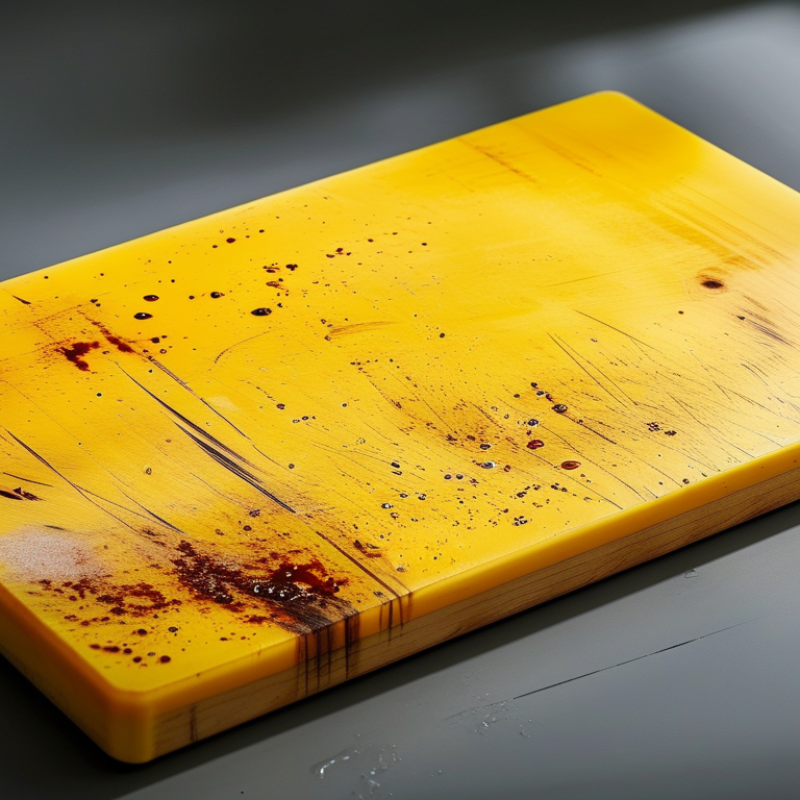
Why You Should Know How to Safely Maintain Plastic Cutting Boards?

Importance of Plastic Cutting Boards in Food Preparation

Plastic cutting boards are essential in food preparation. They offer a lightweight, durable, and easy-to-clean surface, making them a favorite among home cooks and professionals. According to the USDA, plastic boards are non-porous. This makes them suitable for chopping raw meat, fruits, and vegetables. Their smooth surface reduces the risk of contamination when maintained properly.

However, not all plastic cutting boards are created equal. Some studies suggest that cutting boards can harbor bacteria if not cleaned correctly. A report from the Food Safety and Inspection Service indicates that improper cleaning can lead to cross-contamination. Therefore, it's crucial to maintain your plastic cutting boards regularly.

To keep your cutting boards safe, wash them with hot, soapy water after each use. Sanitize them with a mixture of one tablespoon of unscented liquid chlorine bleach and one gallon of water. Allow the board to air dry completely. Check for deep grooves where bacteria might hide. If these grooves become too pronounced, it may be time to replace the board. Always remember that a well-maintained cutting board is vital for safe food preparation.

Common Hazards Associated with Improper Maintenance of Plastic Cutting Boards

Improper maintenance of plastic cutting boards poses several health hazards. One major issue is the risk of bacterial growth. Plastic boards, if not cleaned properly, can harbor harmful bacteria like Salmonella and E. coli. Tiny grooves and scratches in these boards trap food particles. These remnants can lead to cross-contamination during food preparation, especially with raw meats.

Another concern revolves around the use of harsh chemicals for cleaning. Some people may apply strong solvents or abrasive cleaners. These substances can damage the surface of the cutting board, creating more crevices for bacteria to thrive. It’s essential to use mild dish soap and warm water. Regularly checking for deep cuts or stains can help assess the board's integrity.

Furthermore, plastic cutting boards can warp or discolor over time. Exposure to high heat or prolonged sunlight can compromise their structure. This not only impacts food safety but also hygiene. A warped board may lead to uneven surfaces, making cutting tasks more challenging. Regular inspection and thoughtful maintenance are vital for ensuring safety and longevity.

Safe Cleaning Methods for Plastic Cutting Boards

Plastic cutting boards are popular in many kitchens due to their affordability and versatility. However, maintaining them safely is crucial to food hygiene. Studies suggest that plastic boards can harbor harmful bacteria, especially when not cleaned correctly. In fact, research indicates that 75% of cutting boards tested returned positive for bacteria. Proper cleaning methods can significantly reduce these risks.

To safely clean plastic cutting boards, use hot, soapy water. Avoid abrasive scrubbers that can scratch the surface. Scratches create hideouts for bacteria. Bleach solutions can be effective, but follow guidelines. A solution of one tablespoon of bleach per gallon of water is often recommended. Soaking boards in this solution for a few minutes can help eliminate pathogens. Rinse thoroughly to remove any residues.

Another effective method is the use of vinegar and baking soda. This combination can naturally disinfect while removing stains. However, it may not be as effective against all bacteria. In practice, many users overlook the importance of drying the board thoroughly after cleaning. A damp board can be a breeding ground for bacteria. Understanding these methods helps ensure food safety and extends the life of your cutting board.

Techniques to Prevent Bacterial Contamination on Plastic Cutting Boards

Plastic cutting boards are a common kitchen staple, but they require proper maintenance to ensure safety. Bacteria can thrive on these surfaces if not cleaned correctly. Regularly inspect your boards for deep grooves and cracks. These imperfections can harbor harmful microorganisms. A simple solution is to replace worn boards periodically.

Maintaining a safe environment begins with thorough cleaning. Use hot, soapy water after each use. Rinse well to remove any residue. For tougher stains or odors, a mixture of baking soda and vinegar can work wonders. This combination not only cleans but also helps eliminate harmful bacteria. You can also sanitize your board with a solution of bleach and water occasionally, but be sure to follow safety guidelines.

Some may overlook the importance of drying their boards properly. Bacteria thrive in moist environments. Wipe your boards down after washing, and store them upright to promote airflow. Even small mistakes, like placing a wet board in a drawer, can lead to contamination. Awareness of these details is key to safe food preparation.

Best Practices for Storing Plastic Cutting Boards Safely

When it comes to maintaining plastic cutting boards, safe storage is crucial. Keeping them clean and properly stored helps prevent bacteria growth. After washing, ensure they are completely dry before stacking. Moisture can lead to mold, which is unsafe for food preparation. Store cutting boards in a well-ventilated area to allow air circulation.

Avoid placing boards in damp drawers or cabinets. This can trap moisture and create a breeding ground for germs. Instead, consider using a designated shelf or a wall-mounted rack. The goal is to keep them off countertops where contamination can occur. Additionally, inspect your cutting boards regularly for deep grooves or cracks. These imperfections can harbor bacteria and may require replacement.

Using dedicated cutting boards for different food types is another helpful tip. For example, use one for meats and another for vegetables. This practice minimizes cross-contamination. Although some might overlook these steps, they significantly affect food safety. Negligence in storage and maintenance can lead to health risks, so it’s worth taking the time to do it right.

Why You Should Know How to Safely Maintain Plastic Cutting Boards? - Best Practices for Storing Plastic Cutting Boards Safely

Practice Description Frequency Notes
Cleaning Wash with hot, soapy water immediately after use After each use Prevent bacteria growth
Sanitizing Use a diluted bleach solution or vinegar Weekly Ensure food safety
Drying Air dry or use a clean towel After washing Avoid moisture buildup
Storage Store upright or flat in a cool, dry place Always Prevent warping and contamination
Inspection Check for deep scratches or odors Monthly Replace if damaged

FAQS

: How can I safely clean my plastic cutting boards?

: Use hot, soapy water. Avoid abrasive scrubbers that scratch the surface.

Is bleach effective for cleaning cutting boards?

Yes, a mix of one tablespoon of bleach per gallon of water helps eliminate bacteria.

Can I use vinegar and baking soda for cleaning?

Yes, this combination can disinfect and remove stains, but may not kill all bacteria.

Why is drying the cutting board important?

A damp board can promote bacteria growth, leading to potential health risks.

How often should I inspect my cutting boards?

Regular inspections are vital. Look for deep grooves or cracks that may harbor bacteria.

What is the best way to store plastic cutting boards?

Store them upright in a well-ventilated area to prevent moisture buildup.

Should I use different boards for different foods?

Yes, using separate boards for meats and vegetables minimizes cross-contamination risks.

What should I avoid when storing cutting boards?

Avoid damp drawers or cabinets that can trap moisture and foster bacteria growth.

How often should I replace my cutting boards?

Periodic replacement is essential, especially if they show signs of wear.

What small mistakes can impact food safety?

Neglecting to dry boards or improperly storing them can lead to contamination.

Conclusion

Plastic cutting boards play a crucial role in food preparation, offering a safe and hygienic surface for cutting and chopping. However, improper maintenance of these boards can lead to various hazards, including bacterial contamination that poses serious health risks. To ensure a safe cooking environment, it's essential to know how to maintain plastic cutting boards safely. This involves adopting proper cleaning methods, such as using hot, soapy water and sanitizing solutions, along with techniques to minimize the growth of bacteria.

Furthermore, storing plastic cutting boards correctly is vital to prevent cross-contamination. By following best practices for maintenance, such as inspecting boards for scratches and replacing them when necessary, home cooks can significantly reduce the risk of contamination and promote food safety. Overall, understanding and implementing safe maintenance techniques is key to ensuring the longevity and hygiene of plastic cutting boards in your kitchen.

Charlotte

Charlotte

Charlotte is a seasoned marketing professional with a deep understanding of the company's portfolio and a passion for elevating its presence in the market. With a keen eye for detail and a commitment to excellence, she ensures that our professional blog is regularly updated with insightful articles......