How to Properly Care for Kitchenware to Extend Its Lifespan?

Time:2026-07-18 Author:Sienna
0%

Kitchenware plays a crucial role in our daily lives. The right tools can elevate cooking experiences and enhance meal quality. However, many people overlook the importance of maintenance. Why proper care extends the life of kitchenware is a fundamental aspect of home cooking. By understanding this, we can ensure our utensils serve us well for years.

Taking time to clean and store kitchenware properly can yield significant benefits. For instance, regular cleaning prevents rust and degradation. Wooden spoons may crack if not dried promptly. Furthermore, metal cookware needs to be seasoned to maintain effectiveness. Neglecting these practices leads to short-lived kitchen tools.

Investing effort into your kitchenware fosters a sustainable cooking environment. It's not just about the initial purchase. Reflect on how neglecting washing instructions can diminish your favorite pot’s lifespan. Caring for kitchenware may require patience, but the rewards are undeniable. Don’t underestimate the small actions that prolong the life of your essential tools.
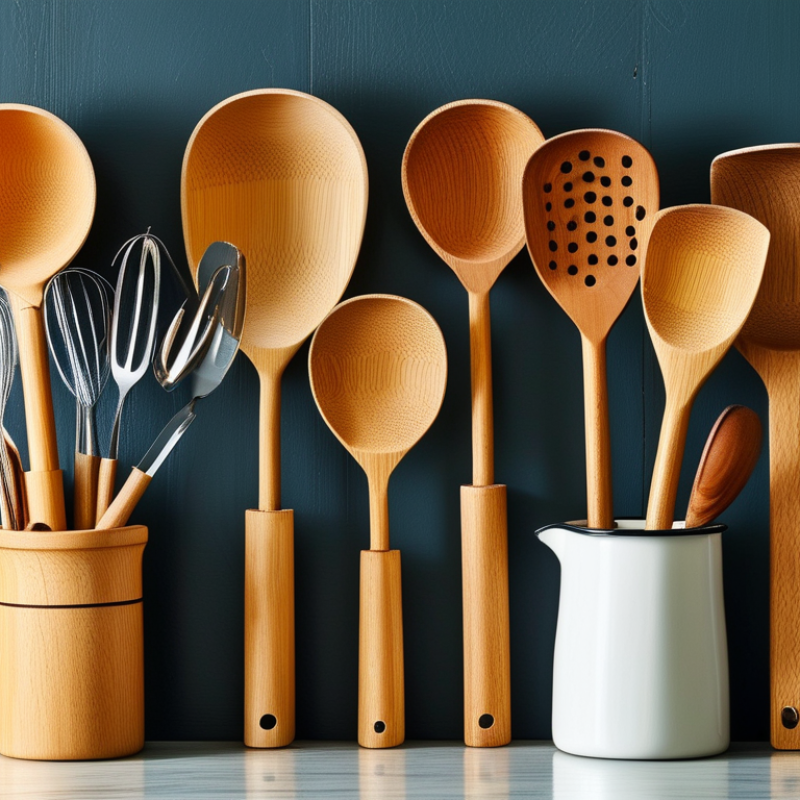
How to Properly Care for Kitchenware to Extend Its Lifespan?

Best Practices for Cleaning Different Types of Kitchenware

Cleaning kitchenware properly can significantly extend its lifespan. Different materials require unique care techniques. For example, stainless steel pots and pans should be washed with warm soapy water. Avoid using harsh scrubbers, as they can scratch the surface. A simple sponge often works best. Sometimes, stubborn stains remain. A paste of baking soda and water can help.

Cast iron cookware needs special attention. After cooking, allow it to cool slightly, then wipe it down with a damp cloth. Never soak it in water. Dry it completely to prevent rust. Seasoning with a light coat of oil enhances its non-stick properties and durability. It’s a learning process to find the right balance.

Glass and ceramic dishes are different. These can usually handle more vigorous cleaning. However, rapid temperature changes may cause cracking. Always let them cool before washing. Despite best efforts, some items may still chip or stain over time. Reflecting on the best cleaning practices helps improve care techniques for the future.

Understanding the Impact of Heat on Cookware Longevity

Heat significantly affects the longevity of cookware. High temperatures can warp, discolor, and degrade materials. For instance, research shows that aluminum cookware can lose structural integrity at temperatures above 500°F. Such degradation increases the risk of food contamination.

Moreover, non-stick coatings can break down when exposed to excessive heat. A report from the Food Safety Authority indicates that temperatures exceeding 500°F can release harmful fumes. This data underscores the importance of temperature regulation while cooking. Using low to medium heat can extend the life of non-stick surfaces.

Another aspect to consider is the material of your cookware. Cast iron, while durable, can become brittle if overheated frequently. Likewise, stainless steel can warp if subjected to rapid temperature changes. Microscopic changes in material structure can occur, affecting performance. Proper care involves understanding these nuances to maintain both safety and functionality in your kitchen.

The Importance of Using Non-Abrasive Tools in Kitchen Maintenance

Taking care of kitchenware requires attention to detail. One crucial aspect is using non-abrasive tools. Abrasive pads can scratch and damage surfaces, leading to a shorter lifespan for pots and pans. Soft sponges or cloths are often better options. They clean effectively without causing harm.

Many people overlook the importance of proper cleaning methods. Using harsh chemicals may seem effective but can lead to tarnished finishes. Instead, gentle dish soap and warm water can preserve the integrity of kitchenware. Rinsing thoroughly ensures no residue is left behind, which can affect food safety.

It’s also vital to consider storage practices. Stacking pots and pans carelessly can cause scratches. Using dividers or soft liners can help protect surfaces. Reflecting on these practices can lead to better maintenance habits. Over time, these small adjustments significantly impact the longevity of kitchen tools.

Factors Influencing the Lifespan of Kitchen Utensils and Cookware

The lifespan of kitchen utensils and cookware can vary greatly based on several factors. One significant influence is the material used in manufacturing. For instance, stainless steel can last over 20 years with proper care, while non-stick pans may only last 3-5 years due to coating wear. A study by the American Kitchenware Alliance indicates that consumers often overlook the importance of suitable cleaning methods, which can significantly impact durability.

Another vital factor is the frequency of use. High-use items, such as knives and spatulas, encounter more wear and tear. According to research, kitchen tools used daily can lose about 10% of their effective lifespan each year. Additionally, environmental factors, like humidity and temperature, can also deteriorate materials faster. For instance, wooden utensils can crack in dry conditions. These small yet impactful environmental conditions remind us to be mindful of how we store and maintain our kitchenware.

Maintenance is key for longevity. Regularly check for signs of wear, such as loose handles or scratched surfaces. Even the best materials can suffer from neglect. A survey revealed that 30% of people do not deep clean their cookware, leading to faster deterioration. Finding that balance between usage and care is essential. This reflection on habits can guide us to extend the lifespan of our beloved kitchen tools.

Storage Solutions That Help Preserve Kitchenware Quality

Proper storage solutions play a crucial role in preserving the quality of your kitchenware. Choosing the right approach can prevent damage and extend the lifespan of your items. For example, using drawer dividers can keep utensils organized and prevent scratches. Placing pots and pans on soft mats can protect their surfaces from abrasions.

Consider climate factors too. High humidity can warp wooden or bamboo kitchenware. It's wise to store these items in a dry space. Always allow items to cool before storing them away; this avoids warping and damage.

Tips to remember: Use protective covers for fragile items like glass or ceramic. For non-stick pans, stack them with paper towels in between to prevent scratches. Regularly check for any signs of wear or damage. Addressing small issues early can save your kitchenware in the long run.

FAQS

: How should I clean stainless steel cookware?

: Use warm soapy water with a simple sponge. Avoid harsh scrubbers to prevent scratches.

What is the best method for caring for cast iron cookware?

Wipe it with a damp cloth after cooling. Never soak it in water, and dry it completely.

How can I enhance the non-stick properties of cast iron?

Season it with a light coat of oil. This improves durability and prevents rust.

What precautions should I take when cleaning glass and ceramic dishes?

Allow them to cool before washing. Rapid temperature changes can lead to cracks.

How can storage affect the lifespan of kitchenware?

Proper storage prevents damage. Use drawer dividers and soft mats to protect surfaces.

Why do wooden utensils crack?

They can crack in dry conditions due to humidity changes. Store them in a dry place.

What factors influence the lifespan of kitchen utensils?

Material, frequency of use, and environmental factors play significant roles.

How often should I deep clean my cookware?

Regular deep cleaning is crucial. Many people neglect this, leading to faster deterioration.

What happens if I ignore signs of wear in my kitchen tools?

Neglect can lead to issues like loose handles or scratched surfaces. Address problems early.

How can I prevent scratches on non-stick pans?

Stack them with paper towels in between. This protects their surfaces during storage.

Conclusion

Proper care is essential to extend the life of kitchenware, and understanding how to maintain different materials is crucial. Best practices for cleaning, such as using appropriate methods for various types of cookware, can significantly impact their longevity. Additionally, recognizing how heat affects kitchenware helps prevent damage that could lead to deterioration. Using non-abrasive tools during maintenance is also vital, as they help avoid scratches and other wear that could compromise performance.

Furthermore, several factors, including how utensils are stored, play a role in preserving their quality. Implementing effective storage solutions can minimize exposure to elements that cause wear and tear. This comprehensive approach to kitchenware maintenance highlights why proper care extends the life of kitchenware, ensuring that your kitchen tools remain functional and effective for years to come.

Sienna

Sienna

Sienna is a skilled marketing professional with a deep expertise in our company’s core products and services. With a passion for innovation and detail, she plays a pivotal role in crafting insightful blog posts that not only highlight the unique features of our offerings but also provide valuable......