In the bustling world of cooking, maintaining food safety is crucial. One key area to focus on is how to prevent cross-contamination while chopping. This process might seem straightforward, yet countless individuals overlook essential practices, risking the health of themselves and others. Understanding the basics can significantly enhance food hygiene in your kitchen.
Using separate cutting boards for different food types is one of the most effective strategies. For instance, allocate one board for raw meat and another for fruits and vegetables. This simple action reduces the chances of harmful bacteria transfer. Rinsing and sanitizing your tools and surfaces in between tasks is another vital aspect. Ignoring this step can lead to regret, especially when someone falls ill.
Incorporating these tips into your routine is the first step towards a safer kitchen. Engage with your cooking space and reflect on your habits. Ask yourself if you're doing enough to avoid cross-contamination. Awareness is the first line of defense against foodborne illness.
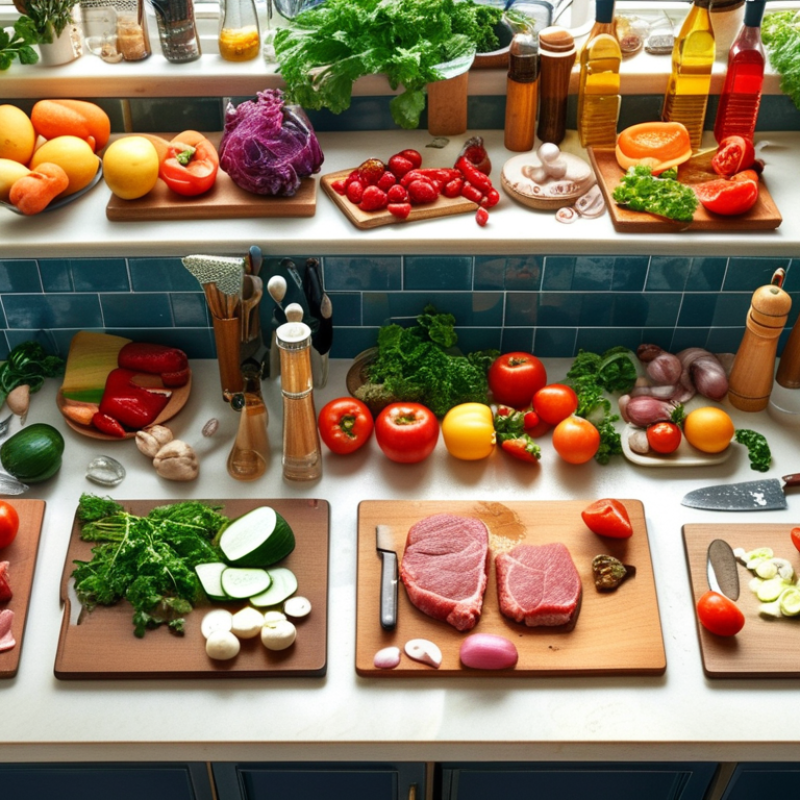
Cross contamination occurs when harmful bacteria or allergens spread from one food item to another. It is a major concern in food preparation. Understanding this concept is essential for safe cooking. Many people overlook this risk in their kitchens. Raw meats and vegetables often share the same chopping board, which can lead to serious health issues.
Proper food handling practices can reduce the risk of cross contamination. Always use separate cutting boards for raw meats and vegetables. Color-coded boards can help distinguish between them. Wash your hands and surfaces frequently, especially after touching raw foods. Not everyone follows these guidelines, which can be a missed opportunity for safer meals.
Reflecting on your kitchen habits is essential. Do you wash knives after each use? Are your utensils stored properly? Small changes can make a big difference. Remember, prevention is key in maintaining food safety while chopping. Awareness and care are vital to ensuring a safe cooking environment.
| Tip | Description | Importance |
|---|---|---|
| Use Separate Boards | Employ different cutting boards for raw meats and vegetables. | Prevents raw meat juices from contaminating produce. |
| Clean Equipment | Wash knives and cutting tools between uses. | Reduces risk of transferring harmful bacteria. |
| Color-Coded Tools | Use color-coded chopping boards for different food categories. | Easily identifies which board is for which food type. |
| Wash Hands Frequently | Incorporate regular hand washing during food prep. | Minimizes transfer of pathogens from hands to food. |
| Store Food Properly | Keep raw foods separate from cooked foods in storage. | Prevents cross-contamination in the fridge. |
: Proper knife handling prevents cross-contamination, reducing the risk of foodborne illnesses.
Use separate cutting boards for raw meats and vegetables to prevent bacteria transfer.
Clean the cutting board with warm, soapy water to remove food particles and bacteria.
Regularly sharpen your knives to minimize the chance of slipping and injuries.
After washing, use a mixture of diluted bleach or vinegar to kill remaining germs.
They distinguish between food types, minimizing cross-contamination risks during preparation.
Always clean tools thoroughly. A quick rinse may not remove all contaminants.
Use labels or stickers to help remember which color corresponds to which food group.
Regular reflection helps identify areas for improvement in food safety practices.
Store knives in a block or magnetic strip to prevent contact with contaminated surfaces.
In the kitchen, understanding how to prevent cross-contamination while chopping is essential for food safety. Cross-contamination occurs when harmful bacteria spread from one food item to another, often through surfaces or utensils. To mitigate this risk, selecting the right cutting boards is crucial; using separate boards for raw meats and vegetables can significantly reduce the chance of contamination. Additionally, proper knife handling techniques, such as using a clean knife for each food type, play a vital role in maintaining hygiene.
Before and after food preparation, it is important to thoroughly clean and sanitize all surfaces and tools. This includes washing cutting boards, knives, and countertops with appropriate cleaning agents. Implementing color-coded tools can further help in distinguishing between different food types, ensuring that utensils and boards are used safely. By following these guidelines, individuals can effectively learn how to prevent cross-contamination while chopping, promoting a safer cooking environment.

 Auroch Kitchen