Melamine plates have become increasingly popular in cafes and schools. Their durability and versatility make them an ideal choice for these environments. Dr. Emily Hart, a materials science expert, states, “Melamine plates offer a cost-effective solution that also meets the needs of busy food service.” This insight highlights why melamine plates are widely used in cafes and schools.
In bustling settings like cafes and schools, practicality is essential. Melamine plates resist chipping and breakage, which reduces replacement costs. They come in various colors and designs, catering to different aesthetic preferences. Their lightweight nature simplifies handling and reduces the risk of accidents. However, not all melamine products are created equal. Some may not meet safety standards, sparking debates around quality and regulation.
Moreover, while melamine plates are popular, they are not without controversy. Concerns about their safety in high-temperature environments persist. Users must be cautious and choose reputable brands. This ongoing discussion emphasizes the need for education about the materials we use daily, reinforcing the question of why melamine plates are widely used in cafes and schools.
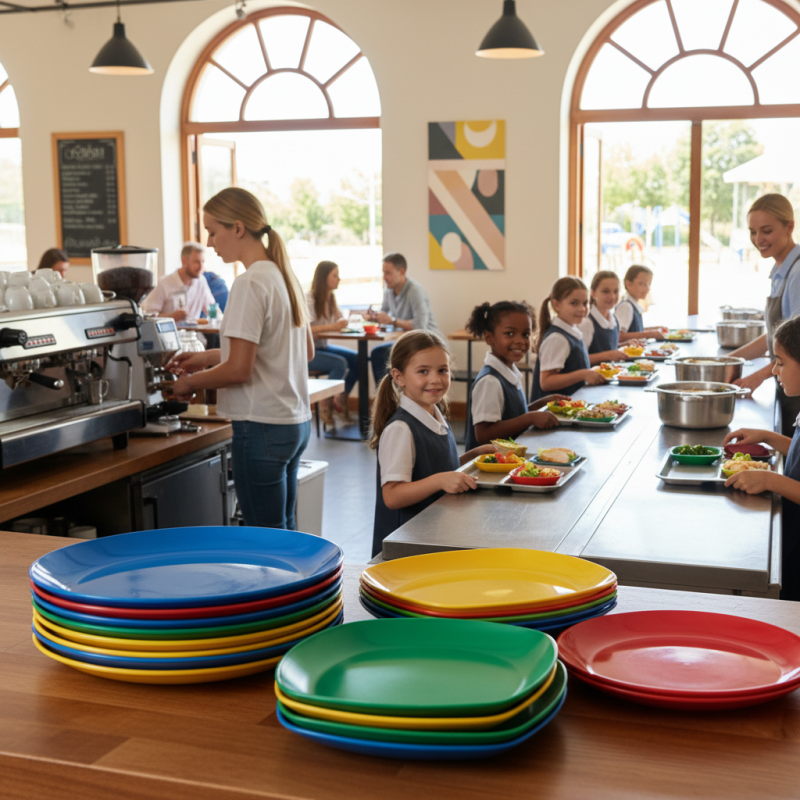
Melamine plates have gained traction in cafes and schools due to their unique characteristics. One of the main features is their durability. These plates resist breaking and chipping, making them ideal for bustling environments. Cafes and schools face heavy usage daily, and melamine provides a long-lasting solution. The lightweight nature of melamine also adds to its appeal, making it easy to handle for both staff and children.
Another factor is the variety of designs available. Melamine plates come in a plethora of colors and patterns, enhancing meal presentation. This aesthetic quality captures attention, especially in settings like school cafeteria trays or cafe dining. People often enjoy meals more when served on visually appealing plates. However, it's worth noting that not all designs hold up under heavy cleaning.
When choosing melamine plates, consider these tips: check for BPA-free labels when making purchases. This ensures safety, particularly for children's use. Regular cleaning with non-abrasive materials will prolong the lifespan of the plates. Lastly, evaluate the style options that match your cafe or school theme. The right design can elevate the dining experience.
Melamine plates have gained immense popularity in cafes and schools due to their notable durability and safety. These plates can withstand heavy usage without easily breaking or chipping. This characteristic is especially crucial in busy environments where accidents may happen. The lightweight nature of melamine also makes them easy to stack and store, optimizing space in kitchens and dining areas.
Safety is another critical factor in the widespread adoption of melamine plates. They are mostly BPA-free, reducing the risks associated with chemical leaching. This quality is particularly vital in institutions catering to children. Additionally, melamine plates are resistant to staining and can handle high temperatures, making them suitable for various types of food. However, it is essential to note that while they are dishwasher safe, excessive heat can warp them over time.
Despite their advantages, some concerns persist. For instance, melamine plates should not be used in microwave ovens, as this could lead to melamine migration. It's important for cafes and schools to educate staff on proper usage. Such considerations enhance safe food service while ensuring that the durability of melamine plates continues to benefit daily operations.
Melamine plates have become increasingly popular in educational institutions. Their cost-effectiveness is a key factor driving this trend. According to a report from the National School Nutrition Association, melamine tableware can reduce replacement costs significantly due to its durability. Unlike traditional ceramics or glass, melamine is less likely to chip or break. This is particularly important in schools, where mishaps are common.
Additionally, melamine plates are lightweight, making them easy for children to handle. A study from the Food Service Industry showed that lighter dinnerware can lead to a 20% faster service time in cafeterias. This efficiency not only benefits kitchen staff but also enhances the dining experience for students. However, there are concerns regarding the long-term safety of melamine. Though generally regarded as safe when used properly, it’s essential for institutions to stay informed about best practices in using such materials.
Cost is always a consideration. Schools operate on tight budgets. A well-documented study found that transitioning to melamine can save institutions approximately 30% on dining ware costs annually. While the immediate savings are clear, schools must balance these benefits with ongoing health considerations. Choosing the right products can be tricky. It requires careful research and attention to safety standards, which is crucial for setting a high standard in student dining environments.
Melamine plates have become a staple in cafes and schools. Their aesthetic appeal plays a significant role in this popularity. These plates come in various colors and patterns, making them visually appealing. Bright hues can create a cheerful environment that enhances the dining experience. When well-designed, melamine plates add a touch of flair to any meal.
In addition to their look, melamine plates are lightweight and durable. They resist breakage, which is ideal for busy settings. Cafes and schools benefit from items that withstand daily use. The easy-to-clean surface is another bonus. Staff can quickly wipe them down, keeping the dining area tidy without hassle.
However, it’s important to reflect on their use. Some people may question the environmental impact of melamine products. Although they are durable, their production and disposal raise concerns. Striking a balance between practicality and sustainability remains a challenge. By being mindful, cafes and schools can choose designs that not only look great but also align with eco-friendly practices.
| Feature | Description | Benefits |
|---|---|---|
| Durability | Melamine plates are highly resistant to breaks and cracks, making them ideal for busy environments. | Reduces replacement costs and minimizes waste due to accidents. |
| Aesthetic Appeal | Available in various colors and patterns, which can enhance the presentation of food. | Creates an inviting atmosphere in cafes and schools. |
| Lightweight | Melamine plates are much lighter than glass or ceramic options. | Easier for staff and students to handle, reducing fatigue. |
| Easy to Clean | Surface is non-porous which prevents staining and is dishwasher safe. | Ensures hygiene and saves time in cleaning processes. |
| Cost-Effective | Generally less expensive than ceramic or glass dinnerware. | Fits budget constraints for schools and cafes. |
Melamine plates are favored in cafes and schools for several reasons, especially concerning environmental considerations. Made from a type of resin, these plates are durable and lightweight. They resist chipping and breaking, which is crucial in busy settings. However, the environmental impact of production and disposal cannot be overlooked.
Melamine is derived from a chemical process that requires energy and resources. This raises questions about sustainability. Responsible practices should include recycling whenever possible. The afterlife of melamine plates often leads to landfills, and this poses a challenge for environmental preservation.
Tips: Choose melamine products with a longer lifespan to reduce waste. Consider the full lifecycle of the plates. Focus on purchasing from manufacturers who prioritize sustainability in their production processes. Seek out melamine that is free from harmful chemicals for safer use in schools. Balancing practicality and ecological responsibility is essential.
: Melamine plates are durable, lightweight, and cost-effective. They reduce replacement costs and enhance service efficiency in cafeterias.
Transitioning to melamine tableware can save institutions approximately 30% on dining ware costs annually.
Melamine is generally regarded as safe when used properly. Institutions should stay informed about best practices for safe use.
Melamine plates come in various colors and patterns, creating a cheerful dining environment that enhances the overall experience.
The easy-to-clean surface of melamine plates allows staff to quickly maintain tidy dining areas, saving time and effort.
Production and disposal of melamine raise sustainability questions. Responsible practices, like recycling, are essential to reduce environmental impact.
Selecting melamine products with longer lifespans and ensuring eco-friendly manufacturing practices can help balance practicality and responsibility.
Concerns about the environmental effects of melamine production and disposal can make people wary of using these products.
Schools should seek melamine products free from harmful chemicals and focus on sustainability in purchasing decisions.
Balancing cost benefits, safety, and environmental impact requires careful research and attention to standards.
Melamine plates have become increasingly popular in cafes and schools due to their unique characteristics that cater to the needs of these environments. One primary reason why melamine plates are widely used in cafes and schools is their exceptional durability and safety. Resistant to breakage and chipping, these plates can withstand the rigors of everyday use, ensuring they remain functional and visually appealing over time.
Additionally, melamine plates are cost-effective for educational institutions, allowing for high-quality dining experiences without straining budgets. Their aesthetic versatility enables cafes to create visually appealing presentations, enhancing the overall dining atmosphere. Furthermore, environmental considerations also play a role, as melamine plates can be used repeatedly, reducing waste compared to disposable options. In summary, the combination of durability, cost-effectiveness, and aesthetic appeal explains why melamine plates are widely used in cafes and schools.

Auroch Kitchen