Plastic cutting boards are a popular choice in many kitchens. They are lightweight, durable, and easy to clean. However, many people overlook how to maintain plastic cutting boards safely. Neglecting their care can lead to hygiene issues and reduce their lifespan.
To ensure longevity, it is crucial to adopt proper maintenance practices. Regular cleaning and sanitizing are key. Bacteria can thrive in scratches and grooves, making it essential to assess the board frequently. Also, storing them properly can prevent warping or cracking.
Maintaining these boards is not just about cleanliness; it reflects your commitment to food safety. Small mistakes in care can lead to bigger issues. Even with the best intentions, it is easy to forget specific cleaning methods. Being mindful of these details is paramount to achieving the longest use from your plastic cutting boards.
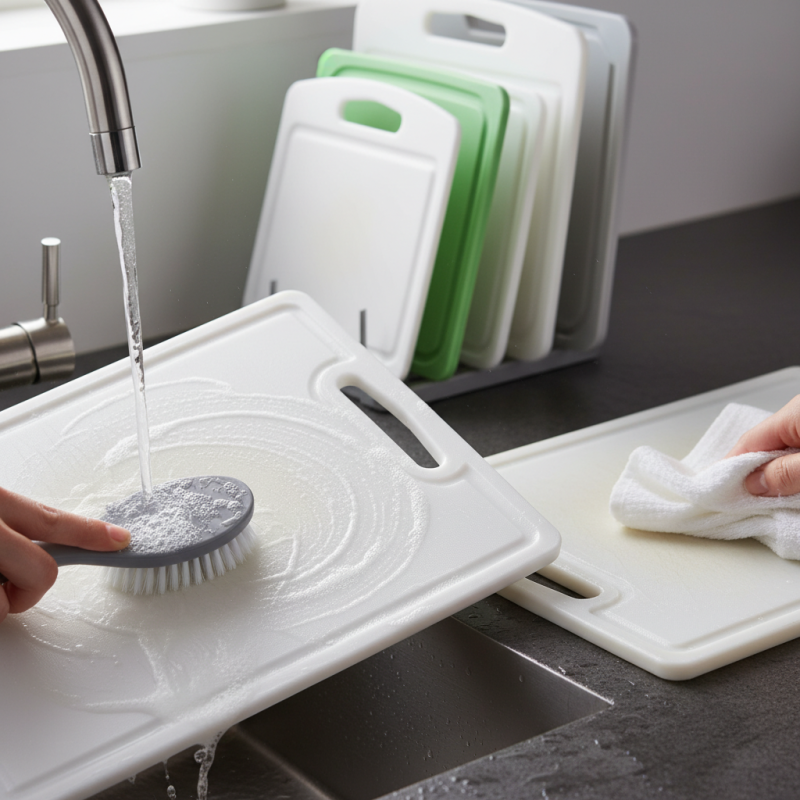
Understanding plastic cutting boards involves knowing their materials and types. Most plastic cutting boards are made from polyethylene or polypropylene. These materials are popular due to their durability and resistance to moisture. According to the American Institute of Food Science, these boards can reduce the risk of bacterial growth compared to wooden boards.
Plastic cutting boards come in various thicknesses and sizes. Thicker boards tend to last longer and can withstand deeper knife cuts. Industry reports show that boards 1 inch thick are less likely to warp or crack over time. However, cheaper, thinner boards may need to be replaced more frequently. This can lead to increased waste and cost in the long run.
The color coding of plastic cutting boards is also important in preventing cross-contamination. Different colors often indicate specific food types. For example, red boards are usually for raw meat, while green boards are meant for vegetables. A study showed that using color-coded boards reduced cross-contamination incidents by 70%. This highlights how understanding materials and types can improve food safety and board longevity.
When it comes to maintaining plastic cutting boards, daily cleaning practices play a crucial role. Start by rinsing your board with warm water immediately after use. Food particles can cling tightly, creating a breeding ground for bacteria. A simple scrub with a sponge and mild detergent helps dislodge any residues. Pay attention to crevices or grooves where food can hide.
After the initial rinse and scrub, it’s vital to sanitize your cutting board. A solution of one tablespoon of unscented liquid chlorine bleach mixed with one gallon of water works effectively. Allow the board to soak in this mixture for a few minutes. Rinse thoroughly afterward. Keep in mind that over time, your cutting board may develop scratches or stains. These imperfections can trap bacteria. Regularly assessing your board for wear and tear will help you decide when to replace it.
Lastly, air-drying is essential for long-lasting hygiene. Avoid placing your board in a dishwasher unless it's specifically labeled safe. Bacteria love damp environments. A simple drying rack or towel will keep it safe and ready for the next use. Recognizing these small maintenance habits can make a significant difference in the longevity of your plastic cutting boards.
Maintaining plastic cutting boards is crucial for both safety and longevity. Effective sanitization is essential to prevent cross-contamination. A study from the USDA indicates that plastic boards harbor fewer bacteria than wood when sanitized properly. Regular washing with hot, soapy water is fundamental. However, relying on simple soap may not eliminate all microbes.
After washing, soaking boards in a diluted bleach solution can enhance sanitization. Mix one tablespoon of unscented bleach in a gallon of water. This solution can kill most pathogens. Allow the boards to soak for five minutes, then rinse thoroughly with clean water. This method addresses the issue of bacteria lingering in cuts and grooves.
Additionally, using a vinyl scrubbing pad can remove stubborn stains or food residues that soap alone may not tackle. However, over-scrubbing can damage the board’s surface. A study published in the Journal of Food Protection shows that plastic boards eventually accumulate scratches, conducive to bacteria growth. Re-evaluating usage after several months of wear is wise to ensure safety.
| Technique | Description | Frequency | Effectiveness |
|---|---|---|---|
| Soaking in Bleach Solution | Soak in a mixture of 1 tablespoon bleach to 1 gallon of water for sanitization. | After heavy use | Highly effective |
| Hot, Soapy Water | Wash with hot, soapy water to remove food residues and bacteria. | After each use | Effective |
| Vinegar Spray | Spray with white vinegar to disinfect naturally. | As needed | Moderately effective |
| Lemon Juice & Salt | Scrub with lemon juice and salt to remove stains and odors. | Weekly | Effective for cleaning |
| Dishwasher Sanitization | Place in the dishwasher to sanitize with high heat and detergent. | Weekly | Highly effective |
Proper storage methods play a crucial role in maintaining plastic cutting boards. A study by the Food Safety Authority suggests that improper storage can lead to contamination. Keeping cutting boards upright and in a dry place can minimize microbial growth. Avoid stacking them directly on top of each other, as this can cause warping or scratching over time.
Consider using a dedicated storage rack or a drawer with dividers. This not only saves space but also keeps boards separate from other utensils. Professionals recommend cleaning boards before storing them, ensuring they are completely dry. Dampness can attract bacteria and mold. While many believe any plastic board is durable, not all can withstand extreme conditions.
Occasionally, it may be necessary to assess the condition of boards. Visible signs of wear, such as deep grooves or cracks, indicate it might be time for replacement. Research shows that plastic boards can last up to 10 years with proper care, but neglect can shorten their lifespan significantly. Maintaining a consistent storage routine ensures that your cutting boards remain safe and functional for years to come.
When assessing the condition of your plastic cutting board, look for signs of wear.
Scratches and deep grooves can harbor bacteria, posing a health risk. If your cutting board has multiple cuts or discoloration, it may be time for a replacement. A worn board is not sustainable. It compromises your food safety.
Keep an eye on your cutting board's surface. A smooth, even surface is ideal. If the board starts to warp, it can affect stability while you cut. Look for any cracks; these can make the board less effective and more difficult to clean. Ensuring your board is in good condition is not just about looks; it’s essential for hygiene.
Tips: Regularly inspect your cutting boards. Replace them when needed, even if they look usable. Clean them properly after each use. Avoid soaking to prevent warping. A little attention now saves you from unsafe cooking later. Take care of your tools; they are crucial in your kitchen.
: Plastic cutting boards are primarily made from polyethylene or polypropylene. These materials are durable and moisture-resistant.
To minimize bacterial growth, both proper cleaning and using color-coded boards for different food types are essential.
A cutting board that is 1 inch thick tends to last longer and resist warping better than cheaper, thinner options.
Store boards upright in a dry place, ideally in a rack or drawer, to avoid contact that could lead to warping.
Regular inspections are important. Check for signs of wear or deep grooves, as they can harbor bacteria and affect safety.
Replace your cutting board if there are multiple cuts, significant discoloration, or if it begins to warp or crack.
Yes, stacking them or storing them damp can lead to warping, scratches, and microbial growth over time.
Color coding helps prevent cross-contamination, with specific colors indicating their use for different food types.
Maintaining plastic cutting boards safely is essential for ensuring their longevity and hygiene in the kitchen. Understanding the materials and types of plastic cutting boards can help users make informed choices. Daily cleaning practices, such as using hot, soapy water and avoiding abrasive scrubbers, are crucial for preventing bacteria buildup. Additionally, effective sanitization techniques, like using diluted bleach or vinegar, can further enhance safety during food preparation.
Proper storage methods, such as keeping cutting boards upright and away from heat sources, prevent damage and prolong their lifespan. It's also important to recognize the signs of wear, such as deep grooves or discoloration, which indicate when it's time to replace the cutting board. By following these guidelines on how to maintain plastic cutting boards safely, users can ensure a safe and efficient cooking environment.

Auroch Kitchen