Latest Trends in Eco Friendly Kitchenware You Must Know?

Time:2026-06-16 Author:Aria
0%

As we become more aware of our environmental impact, kitchenware choices are evolving. Consumers are increasingly asking, "what are the latest trends in eco-friendly kitchenware?" This question highlights a growing demand for sustainable products.

Innovative materials are at the forefront. Bamboo, recycled plastics, and glass offer eco-friendly options. These materials reduce waste and promote a healthier planet. However, manufacturers must prioritize durability and functionality alongside sustainability.

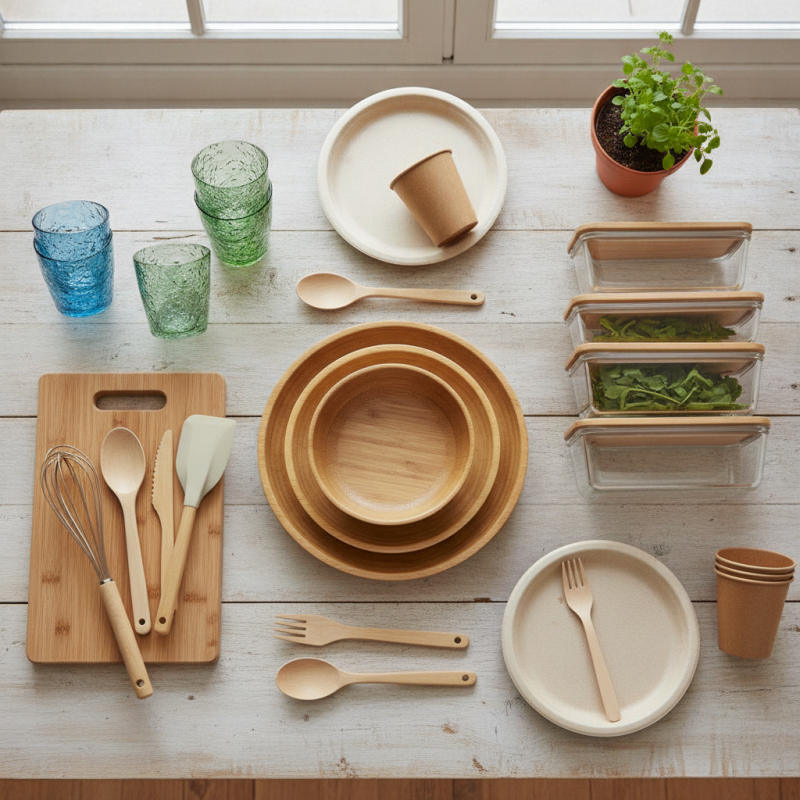
The shift towards biodegradable and compostable products is noteworthy. Items like biodegradable plates and utensils are gaining popularity. Yet, there remains a challenge in balancing convenience and eco-friendliness. As we explore these trends, it is essential to reflect on our choices and their long-term effects.
Latest Trends in Eco Friendly Kitchenware You Must Know?

Emerging Materials in Eco-Friendly Kitchenware: A Comprehensive Overview

The shift towards eco-friendly kitchenware is gaining momentum. As consumers become more aware of sustainability, innovative materials are emerging. Bamboo, for instance, has gained popularity for its rapid growth and renewability. It’s lightweight, sturdy, and adds a natural aesthetic to any kitchen.

Compostable materials are also redefining standards. Both plant-based plastics and organic fibers can decompose, minimizing waste. These materials can perform as well as conventional plastics without the long-term environmental impact. However, there are questions surrounding their durability and cost-effectiveness.

While these trends are promising, the market still faces challenges. Many consumers are unsure about the reliability of new materials. Education is vital to help users understand maintenance and performance. Eco-friendly options sometimes lack the longevity of traditional products. This raises concerns about replacements and long-term benefits. Addressing these issues is crucial for truly sustainable practices in the kitchen.

Latest Trends in Eco Friendly Kitchenware You Must Know

Material Type Eco-Friendly Rating Durability (Years) Price Range (USD) Recyclability
Bamboo High 5-10 15-30 Yes
Glass Moderate 10-15 20-50 Yes
Stainless Steel High 20+ 25-100 Yes
Silicone Moderate 10-20 10-40 Limited
Recycled Plastic High 5-10 5-25 Yes

The Rise of Biodegradable Plastics in Kitchenware Production: Industry Insights

The kitchenware industry is undergoing a transformation. Biodegradable plastics are emerging as a preferred choice for manufacturers. These materials break down naturally, minimizing environmental impact. They provide an alternative to traditional plastics, which linger in landfills for centuries.

The rise of biodegradable plastics offers unique opportunities. They are made from renewable resources like corn starch or sugarcane. This pivot reduces reliance on fossil fuels. However, not all biodegradable options are effective. Some still require specific conditions to decompose fully. This can mislead consumers who expect instant biodegradability.

Education is vital in this evolving landscape. Not everyone understands the distinction between biodegradable and compostable products. Consumers should be encouraged to read labels carefully. Awareness can help foster responsible product choices. By prioritizing sustainable options, we can positively influence environmental health. Every small change counts, but it's essential to remain mindful of the details.

Latest Trends in Eco-Friendly Kitchenware

This chart illustrates the market share of different types of eco-friendly kitchenware. Biodegradable plastics lead the market, followed by recycled materials, bamboo products, glass, and stainless steel. The increasing demand for sustainable products is driving these trends in the kitchenware industry.

Sustainable Manufacturing Processes: Reducing Carbon Footprint in Kitchenware

Sustainable kitchenware is gaining popularity as consumers become increasingly conscious of their environmental impact. The manufacturing processes of these items play a crucial role in reducing carbon footprints. Many companies are now adopting renewable materials and minimizing waste. They focus on sourcing sustainably and using energy-efficient practices.

One effective method is using recycled materials. This not only reduces resource consumption but also lessens environmental harm. Additionally, manufacturers are implementing closed-loop systems, where waste materials are repurposed into new products. This practice is crucial in creating a sustainable cycle.

Tips: When choosing kitchenware, look for products made from bamboo or recycled plastics. Always check for certifications that indicate sustainable production. Even minor choices matter. Opt for multi-use items instead of single-use options. This can significantly help to lower overall waste. Switch to manufacturers that prioritize eco-friendly practices. It’s essential to stay informed and make responsible choices. As consumers, we can drive change toward a more sustainable future.

Consumer Preferences Shifting Towards Eco-Friendly Kitchen Products: Data Analysis

Consumer preferences are shifting significantly towards eco-friendly kitchen products. According to a recent report by Statista, nearly 70% of consumers now prioritize sustainability in their kitchenware choices. This trend is driven by increasing awareness of environmental issues. Shoppers are seeking products that minimize plastic waste and promote responsible sourcing.


One important consideration is the materials used in kitchenware. Biodegradable options, like bamboo and recycled metals, are gaining popularity. A survey found that 54% of consumers are willing to pay more for products made from sustainable materials. This reflects a growing commitment to eco-conscious living. However, some consumers express concern about the durability of these products. It's crucial to find a balance between sustainability and longevity.


Tips for selecting eco-friendly cookware:
Look for certifications that verify the sustainability claims. Check for the lifecycle of products to ensure they truly minimize environmental impact. Consider versatility to reduce the number of items needed in your kitchen. By being informed, consumers can make responsible choices that align with their values.

Innovative Technologies in Eco-Friendly Kitchenware Design and Functionality

Eco-friendly kitchenware has seen a surge in innovative technologies that enhance both design and functionality. Reports indicate that 42% of consumers prioritize sustainable materials. Bamboo, recycled metals, and bioplastics are among the leading choices. These materials are not only eco-conscious but also durable. They promise longevity, reducing waste in landfills.

Smart designs are another trend in eco-friendly kitchenware. For example, energy-efficient appliances now incorporate sensors. These devices adjust their power usage based on actual needs. This reduces energy consumption by approximately 30%, according to industry studies. However, the initial cost of these appliances can be a barrier for many households. Affordability remains a challenge when it comes to adopting these technologies.

Additionally, functional designs often blend aesthetics with practicality. Some innovative utensils are made from materials that can withstand high temperatures without leaching harmful substances. This is crucial for health-conscious consumers. Yet, not all manufacturers are equally transparent about their products’ environmental impacts. It’s essential for buyers to seek out reliable information to make informed choices. As the market evolves, continuous improvement in transparency and accessibility will be vital for fostering trust.

FAQS

: What materials are commonly used in eco-friendly kitchenware?

: Bamboo, recycled metals, and bioplastics are popular choices. They are sustainable and durable.

How are compostable materials beneficial?

They decompose and minimize waste. Plant-based plastics perform well without long-term environmental harm.

Are new eco-friendly materials reliable?

The reliability of new materials is often questioned. Education on maintenance can help resolve this.

Do eco-friendly kitchenware options last as long as traditional products?

Often, they don't. Concerns about replacements and long-term benefits are common among consumers.

What impact do energy-efficient appliances have?

They can reduce energy use by around 30%. However, their initial cost might be prohibitive for some.

Are all manufacturers open about their products' environmental impacts?

No, transparency varies. Buyers should seek reliable information for informed choices.

Is there a trade-off between sustainability and cost?

Yes, eco-friendly options can be more expensive upfront. Affordability is a barrier for many households.

How important is design in eco-friendly kitchenware?

Design enhances functionality and aesthetics. Innovative utensils can withstand high temperatures while remaining safe.

What challenges do consumers face with eco-friendly kitchenware?

Reliability, cost, and maintenance knowledge are key challenges. Addressing these is crucial for sustainability.

How can consumers contribute to a sustainable kitchen?

By choosing eco-friendly options and educating themselves on materials, consumers can make a positive impact.

Conclusion

In recent years, there has been a notable shift towards sustainable practices in the kitchenware industry, reflecting a growing consumer demand for eco-friendly products. As we explore what are the latest trends in eco-friendly kitchenware, emerging materials such as bamboo, recycled metals, and biodegradable plastics are leading the way. These innovations not only reduce environmental impact but also enhance the functionality and aesthetic appeal of kitchen items.

Furthermore, sustainable manufacturing processes are being implemented to minimize carbon footprints during production. Recent data analysis reveals a significant consumer preference for eco-friendly kitchen products, driving manufacturers to adopt innovative technologies that enhance the design and usability of these items. This evolving landscape underscores a commitment to sustainability that resonates with today's eco-conscious consumers.

Aria

Aria

Aria is a dedicated marketing professional with a deep passion for innovative strategies and a keen understanding of our company's product offerings. With a wealth of experience in the industry, Aria excels at crafting engaging content that highlights the unique features and benefits of our......