Wooden cutting boards are a staple in many kitchens. They offer durability and a natural aesthetic that plastic boards cannot match. However, they require proper care to maintain their functionality and appearance. Knowing how to clean and maintain wooden cutting boards is crucial for food safety and longevity. Food particles and bacteria can easily get trapped in the grain of the wood if not cleaned properly.
Regular maintenance can help prevent potential issues. A simple wash with warm, soapy water after each use is a good start. Yet, many people overlook the importance of drying them immediately. Keeping them wet can lead to warping and cracks, ultimately ruining the board.
Beyond just cleaning, conditioning is essential. Using mineral oil helps nourish the wood and creates a barrier against moisture. However, not all oils are suitable. Some can turn rancid, which is a mistake to avoid. Reflecting on these aspects will help you cherish your wooden cutting boards while ensuring they remain a safe tool in your culinary journey.
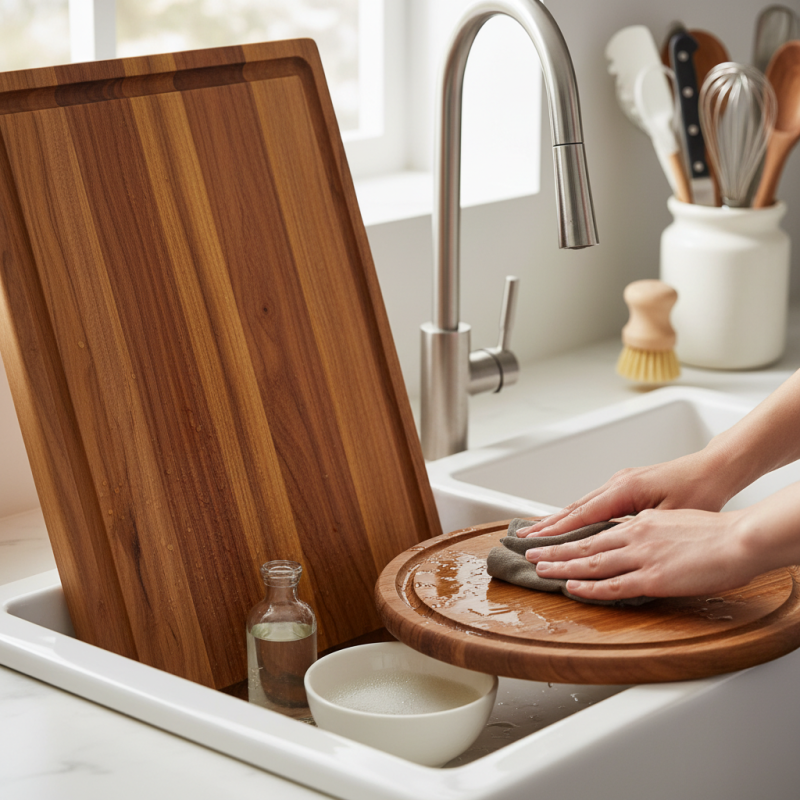
Wooden cutting boards are popular in many kitchens. They add a rustic charm and are durable. However, without proper care, they can harbor harmful bacteria. Regular cleaning is essential. Bacteria thrive in moist environments, and wooden boards can hold onto moisture.
After slicing vegetables or meat, immediately wipe down the board. Use warm soapy water and a sponge. Rinse thoroughly to remove any soap residue. It's crucial to dry the board with a clean towel afterward. Leaving it wet can invite bacteria. Sometimes, even with the best intentions, we forget these steps.
Deep cleaning can be done weekly. Mix baking soda and water into a paste. Scrub it onto the board, then rinse well. This method helps remove stubborn stains and neutralizes odors. It’s easy to overlook these routines in busy lives. Remembering to maintain the board can prevent health risks. Regular attention can extend the life of your cutting board, too.
Wooden cutting boards require special care to maintain their beauty and functionality. Different types of wood demand different cleaning methods. For example, a bamboo board needs gentle treatment. Use mild soap and warm water to clean it. Avoid soaking it, as bamboo can warp. Wipe it dry with a cloth immediately after washing.
Hardwood boards like maple or walnut are durable, yet they still require regular maintenance. After washing, apply mineral oil once a month. This keeps the wood hydrated. It also prevents cracks and warping. If a board develops stains, a mixture of baking soda and water can help. Gently scrub the area to remove the marks. It’s important to note that vinegar should be avoided as it can damage the wood over time.
Cleaning wooden boards is not just about hygiene; it is about preserving them. Small scratches can harbor bacteria, so regularly inspect the surface. If you see deep cuts or grooves, consider sanding the board lightly. This will refresh its surface and help maintain its quality. Remember, a little care goes a long way in extending the life of your wooden cutting board.
Wooden cutting boards are a staple in many kitchens. They are loved for their aesthetic appeal and durability. However, without proper care, their life span can drastically decline. Oil treatments play a vital role in maintaining wooden boards. These treatments help to seal the wood, keeping moisture out and preventing warping or cracking. Regular applications can enhance the board's visual appeal, giving it a rich and vibrant look.
Choosing the right oil is crucial. Mineral oil is popular, but some may prefer food-grade oils like walnut. The application process is simple yet requires attention. A thin, even layer should be applied with a cloth, allowing it to absorb over time. This not only protects the board but also brings out the natural grains and patterns in the wood. However, over-oiling can lead to a sticky surface, which is a common mistake.
Users often overlook the importance of regular maintenance. Many assume that washing the board is enough. Neglecting oil treatments can result in dullness and increased susceptibility to damage. This can be disheartening when a beloved board starts to show wear. Taking the time to care for wooden cutting boards can pay off, ensuring they remain functional and beautiful for years.
| Feature | Importance | Oil Treatment Effects | Longevity Impact | Appearance Impact |
|---|---|---|---|---|
| Regular Cleaning | Prevents bacteria buildup | Enhances absorption of oils | Increases lifespan by reducing warping | Maintains natural color and texture |
| Oil Treatments | Protects wood from moisture | Prevents cracking and splitting | Extends board life significantly | Enhances visual appeal with shine |
| Avoiding Soaking | Reduces swelling and warping | Maintains oil treatment integrity | Prevent premature wear and tear | Keeps finish smooth and consistent |
| Choosing Quality Wood | Ensures durability | Improves oil retention | Contributes to longer performance | Enhances overall aesthetics |
The maintenance of wooden cutting boards goes beyond surface cleaning. Understanding the wood's grain is essential for effective care. The grain affects how the board interacts with knives and moisture. When cutting, the knife penetrates the fibers, creating microscopic grooves. These grooves can harbor bacteria if not cleaned properly.
Cleaning methods should consider grain direction. Wiping against the grain can push debris deeper into the wood. Instead, always clean along the grain to avoid damaging the board. Additionally, wood is porous. This means it can absorb odors and stains from food. Regular upkeep, including oiling, can prevent this. Oiling creates a barrier, protecting the grain and extending the board’s life.
Personal experience has shown that neglect can lead to unsightly cracks and splits. These imperfections not only diminish the board's aesthetics but also its functionality. A well-maintained cutting board should feel smooth and look inviting. However, understanding the grain is often overlooked, leading to improper care and premature replacement. A thoughtful approach to maintenance can transform a simple cutting board into a kitchen staple that lasts for years.
Wooden cutting boards are often overlooked when it comes to cleanliness. In fact, poorly maintained boards can harbor harmful bacteria. According to the Centers for Disease Control and Prevention (CDC), approximately 48 million people get sick from foodborne illnesses each year in the United States. A significant number of these incidents are linked to cross-contamination on kitchen surfaces, including cutting boards.
A study from NSF International revealed that wooden cutting boards can harbor bacteria if not cleaned properly. The research found that 18% of wooden boards tested contained coliform bacteria. This is concerning, as coliforms indicate possible fecal contamination. Neglecting the cleaning and maintenance of wooden cutting boards can increase these risks. Regular cleaning with hot soapy water is essential, but many people neglect this simple step.
Moreover, 90% of professionals believe that proper cutting board maintenance is crucial for food safety. Despite this, many home cooks lack understanding of best practices. This disconnect puts families at risk. It is essential to educate ourselves on proper care techniques. Using a mixture of vinegar and baking soda can help disinfect the board naturally. This small adjustment in routine can significantly lessen the risk of foodborne illnesses.
: Regular cleaning prevents harmful bacteria growth on cutting boards. Bacteria thrive in moist environments, making cleanliness crucial.
Wipe it down immediately with warm soapy water and a sponge. Rinse well to remove soap, then dry with a clean towel.
Mix baking soda and water into a paste. Scrub it onto the board, then rinse thoroughly to remove stains and odors.
Aim for deep cleaning at least once a week. Busy lives may make this easy to overlook, but it's important.
No, avoid soaking bamboo cutting boards. It can warp, so gently clean with mild soap and warm water instead.
Apply mineral oil monthly to keep the wood hydrated. This also helps prevent cracks and prolongs the board's life.
Cleaning with the grain prevents debris from pushing deeper into the wood. This helps maintain the board's quality.
Neglect can lead to cracks and unsightly splits. These issues affect both appearance and functionality of the board.
Inspect for deep cuts or grooves. If you find them, sanding can refresh the surface and improve hygiene.
Regular oiling creates a protective barrier and prevents moisture absorption, extending the cutting board's life.
Maintaining wooden cutting boards is crucial for both hygiene and longevity. Regular cleaning is essential to prevent bacterial growth, which can lead to foodborne illnesses. It's important to understand how to clean and maintain wooden cutting boards effectively, utilizing recommended methods based on the type of wood. Oil treatments can further enhance the board's durability and aesthetic appeal, helping to protect the wood's natural grain.
Additionally, understanding the wood's grain plays a significant role in proper maintenance, as different grains can influence how the board absorbs moisture and resists damage. Statistics highlighting the prevalence of foodborne illnesses linked to poorly maintained cutting boards emphasize the need for proper care. By focusing on these maintenance practices, users can ensure their wooden cutting boards remain safe and beautiful for years to come.

Auroch Kitchen