Choosing between bamboo and wood boards can be challenging. Many people wonder, "what is the difference between bamboo and wood boards?" Both materials have unique characteristics that influence their suitability for various purposes, especially in kitchens and woodworking.
Bamboo is a grass, while wood comes from trees. This fundamental distinction affects durability and aesthetic appeal. Bamboo boards are generally lighter and more sustainable. They grow rapidly and can be harvested without destroying the plant. However, bamboo’s hardness can lead to knife dulling over time. This may not suit everyone’s needs.
On the other hand, traditional wood boards offer a classic look and feel. They come in a variety of types, each with distinct grain patterns and colors. However, wood boards can be more prone to scratches and require regular maintenance. For long-term use, understanding these factors is essential. Consider your preferences and cooking habits before making a choice.
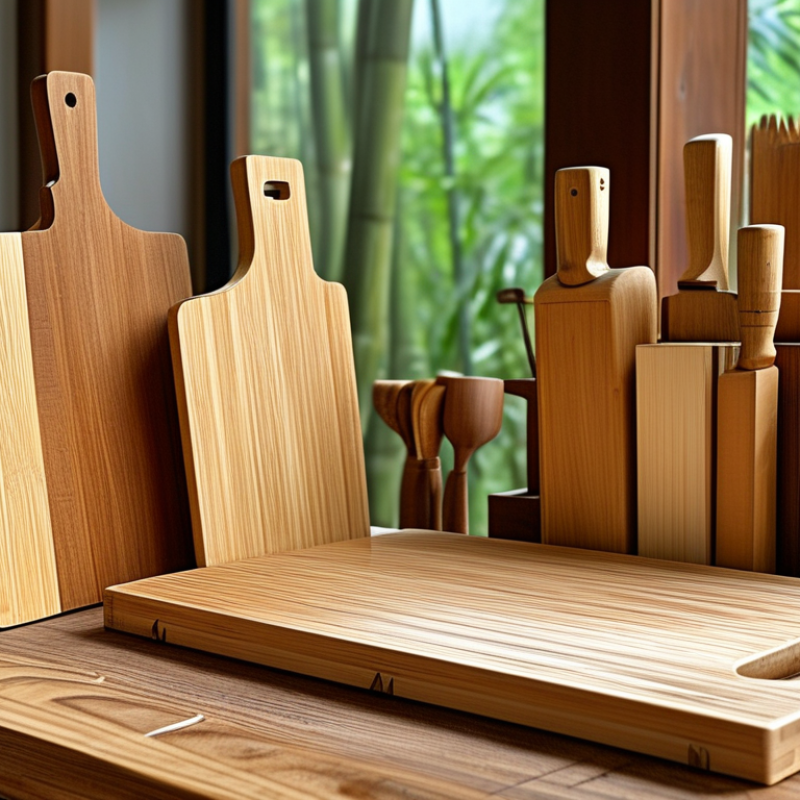
When choosing boards for your kitchen, the materials play a crucial role. Bamboo and wood boards each have unique characteristics. Bamboo is known for its hardness and durability, making it resistant to knife marks. This means less wear over time. Many chefs appreciate this quality in a busy kitchen. On the other hand, traditional wood boards offer a certain warmth and classic appeal. The grain patterns can enhance your kitchen's aesthetics.
However, there are some considerations to keep in mind. Bamboo can sometimes absorb odors and stains if not cared for properly. It may need occasional oils to maintain its appearance. Wood boards, while beautiful, may require more maintenance to prevent warping or cracking. Regular sealing is essential to ensure they last. Cooks must weigh these aspects when making a choice.
Ultimately, personal preferences matter. Some prefer the modern edge of bamboo. Others love the timeless beauty of wood. Reflecting on your cooking habits can guide your decision. Evaluate your kitchen needs, and the choice will become clearer.
Choosing between bamboo and wood cutting boards can be challenging. Bamboo is known for its resilience. It is harder than most hardwoods, which means it lasts longer under daily use. This durability makes bamboo an appealing option for those looking to minimize wear and tear. However, its hardness can lead to knife dulling. Regular sharpening becomes a necessity.
Wood boards, on the other hand, offer a softer surface. They often feel warmer and have natural antibacterial properties. With proper care, they can last a lifetime. However, wooden boards require oiling and careful washing to prevent warping or cracking. Both materials have their pros and cons. Bamboo is sustainable but might not be as gentle on knives. Wood is classic and reliable but needs more maintenance. It’s vital to weigh these factors when selecting your cutting board.
When choosing between bamboo and wood boards, understanding their environmental impact is crucial. Bamboo is a renewable resource, growing quickly and requiring minimal resources. In contrast, many woods take decades to mature. The harvesting of bamboo can leave a smaller carbon footprint. Bamboo absorbs more carbon dioxide during growth than most trees. This means bamboo may contribute positively to the environment overall.
Wood, particularly from sustainably managed forests, can also be eco-friendly. Sustainable practices ensure trees are replanted, preserving habitats and maintaining biodiversity. However, not all wood comes from responsible sources. Deforestation remains a significant concern, impacting ecosystems and climate patterns.
Tips: Always check for certifications that indicate sustainability. When possible, prefer products that mention local sourcing. This not only reduces transportation emissions but also supports local economies. Remember, sometimes the most eco-friendly choice may not be the most popular one. As you reflect on your choice of materials, consider the long-term effects, both on the planet and your decision-making process.
When considering bamboo versus wood boards, cost plays a significant role. Bamboo boards tend to be more affordable. However, wood boards vary widely in price. Premium hardwoods can be expensive, reflecting their quality and durability. It's crucial to balance cost with the intended use. A high-end wood board may be worth the investment for serious cooks. Meanwhile, budget-friendly bamboo can suffice for casual meals.
Here are some tips to guide your decision. Research the specific types of wood and bamboo available. Analyze their strengths and weaknesses. Consider the durability, maintenance, and aesthetic appeal. Bamboo is lightweight and easy to care for, lending it to everyday use. Some may find bamboo less traditional.
Reflect on your cooking style. If you frequently chop and slice, a more expensive wood board may hold up better over time. Weigh your financial constraints against your culinary needs. Remember, the initial cost matters, but so does the long-term investment in quality.
When considering bamboo versus wood boards, bacterial resistance is crucial. Bamboo naturally resists bacteria due to its unique cellular structure. This means fewer germs linger on its surface, making it a safer option for food preparation. Many studies suggest that bamboo can reduce the risk of cross-contamination in kitchens.
Wood, on the other hand, is porous and can harbor bacteria if not properly maintained. The natural oils in certain hardwoods may provide some resistance, but they still require regular oiling and care. Ifwood boards are not sanitized after use, they can become a breeding ground for harmful bacteria. This poses a significant health risk, especially for raw meats.
Both materials offer advantages, but consideration is necessary. Bacteria can thrive if a board is neglected. Environment plays a role too; humidity affects how bacteria grow. In spaces with high moisture, both bamboo and wood need frequent cleaning. A careful selection based on usage can significantly enhance kitchen safety.
: Bamboo is highly durable and lasts longer with daily use.
Bamboo's hardness can dull knives quickly, necessitating regular sharpening.
Wood boards provide a softer surface and possess natural antibacterial properties.
Wood requires regular oiling and careful washing to avoid warping or cracking.
Bamboo grows quickly, absorbs more carbon dioxide, and has a smaller carbon footprint.
No, not all wood comes from responsible sources, and deforestation is a concern.
Look for certifications that indicate sustainability and local sourcing when possible.
Sometimes, the most eco-friendly option isn't the most popular or widely available one.
Reflect on the long-term environmental impact and your decision-making process.
Yes, especially when considering wood boards, which need more attention than bamboo.
When considering the question, "what is the difference between bamboo and wood boards," it is essential to examine various factors that influence their performance and suitability for kitchen use. Bamboo boards are known for their exceptional durability and longevity, often outperforming traditional wood boards in terms of resistance to wear and tear. This makes them a practical choice for regular use in food preparation.
Moreover, the environmental impact of both materials plays a significant role in decision-making. Bamboo is celebrated for its rapid renewability and sustainability, while wood boards come from slower-growing trees, raising concerns about deforestation. Additionally, a cost comparison reveals bamboo boards to be generally more affordable, appealing to budget-conscious consumers. Health considerations also come into play, with bamboo exhibiting superior bacterial resistance compared to wood, thereby promoting safer food handling. Overall, understanding these differences can help one make a well-informed choice between bamboo and wood cutting boards.
Auroch Kitchen