How to Combine Style and Function in Tableware

Time:2026-11-09 Author:Liam
0%

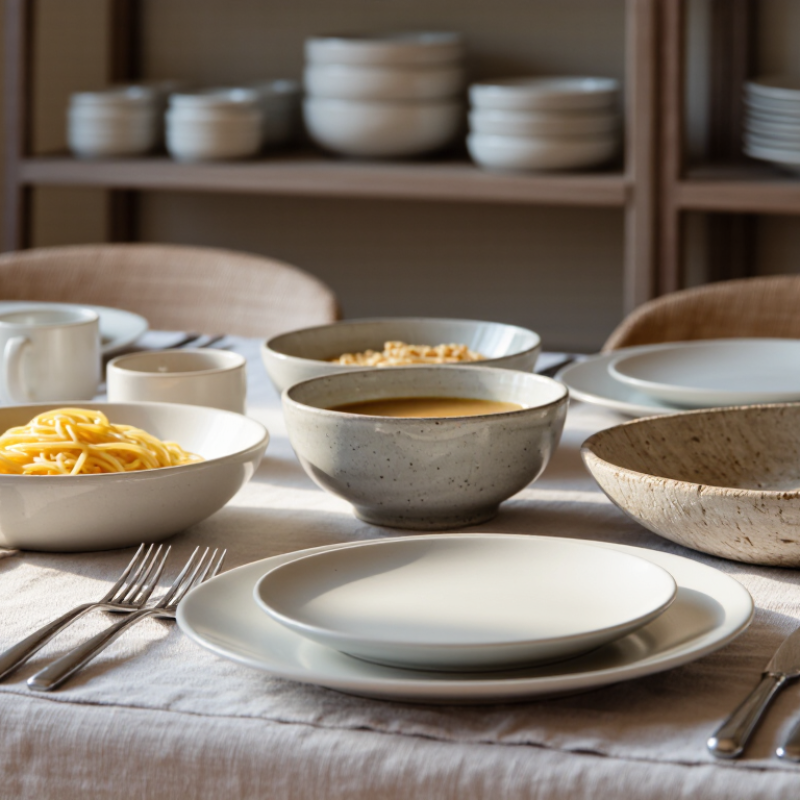
A well-set table should look inviting and work smoothly through an entire meal. The challenge is choosing pieces that suit your taste without making everyday tasks harder. If you are considering how to combine style and function in tableware, begin with the way you actually eat. A shallow bowl may suit pasta, while a deeper one keeps broth contained. Check that plates fit your shelves and stack without wobbling. For daily use, comfortable edges and manageable weight matter as much as color. Small details matter.

Material affects both appearance and care. Porcelain often has a light, refined feel, while stoneware can bring a more substantial, handmade look. These are general tendencies, not guarantees; glaze, shape, and construction vary by maker. Check product information for care instructions, including dishwasher or microwave guidance, before buying. Then build a palette around one or two colors, adding texture through a contrasting rim or softly speckled finish. Style should support the meal, not compete with it.

It is easy to choose a beautiful set that feels awkward in the hand. I have done that, and the regret arrives during washing. A useful approach is to handle a sample piece, if possible, and picture it beside your usual food and kitchen storage. You may not need every piece in a matching set. A few practical plates, versatile bowls, and serving dishes can create a thoughtful table without crowding cupboards. The balance will not be perfect for every home, and that is worth considering. Start with what gets used.
How to Combine Style and Function in Tableware

Assessing Dining Needs and Tableware Requirements

How to Combine Style and Function in Tableware

Assessing Dining Needs and Tableware Requirements

Assess how meals actually happen before choosing tableware. A household serving quick breakfasts needs durable plates that fit the dishwasher and cabinets. If dinners often include guests, consider extra place settings and serving bowls. Measure shelf depth, too; oversized platters can become awkward clutter. Start with real routines. A beautiful set is less useful when everyday pieces are hard to reach.

Material and shape affect both appearance and care. Porcelain often feels refined, while stoneware can bring a relaxed, substantial look. Check whether pieces are microwave-safe and easy to stack, rather than relying on appearance alone. For a small table, slim-rimmed plates may leave more room for glasses and shared dishes. A slightly irregular glaze can look inviting, but matching replacements may be difficult. That trade-off is easy to overlook.

Tips: Count how many people you serve on an ordinary weeknight, then add a few pieces for guests. Choose one versatile color, and test a plate in your cupboard before buying a full set. Small details matter.

Choosing Materials for Durability, Safety, and Care

How to Combine Style and Function in Tableware

Choosing tableware starts with how it will be used. Porcelain is light, smooth, and often dishwasher-safe, but thin pieces can chip when stacked carelessly. Stoneware feels substantial and suits everyday meals, though its weight may be tiring for children or anyone with limited grip. Small details matter. Check the maker’s care instructions, especially for pieces with metallic decoration or hand-applied finishes.

For food contact, look for clearly stated material and care information. Glass is nonporous and easy to inspect for residue, but sudden temperature changes can cause some pieces to crack. Stainless steel handles knocks well and cleans easily; it can feel less warm on a dinner table. Wooden bowls add texture, yet they need prompt drying and may require occasional oiling. No material is maintenance-free. I still find this easy to underestimate: a beautiful glaze can wear, and a sturdy plate can be awkward in a crowded cupboard. Choose pieces that suit your dishwasher, storage space, and daily routine, not just the table setting. A small test helps: hold a plate, stack two bowls, and notice whether the weight and shape feel practical.

Balancing Shape, Size, and Everyday Usability

How to Combine Style and Function in Tableware

Balancing Shape, Size, and Everyday Usability

Tableware should feel pleasing in the hand, not just look polished on a shelf. A shallow, wide plate suits pasta or roasted vegetables, while a deeper bowl keeps broth from sloshing during a crowded dinner. Scale matters, too. In a 2006 American Journal of Preventive Medicine study, participants served themselves 31% more ice cream from larger bowls. That result does not dictate an ideal bowl size, but it shows how quietly proportions can influence use. A restrained rim and a comfortable diameter may help portions feel generous without making the plate awkward to store.

Think about the whole routine: carrying a loaded plate, fitting bowls into a dishwasher, and stacking pieces in a cupboard. A gently curved rim can make a dish easier to grip, but excessive curves waste shelf space. Small details count. Check whether a mug handle leaves room for fingers, and whether a bowl stays steady on a table. These are simple tests, yet often overlooked. I would not pretend one shape works for every home; even attractive pieces can become irritating when they do not stack. Choose a coherent mix of sizes, then leave room for one imperfect favorite.

How to Combine Style and Function in Tableware

Typical dimensions vary by design and manufacturer. These common size ranges offer a practical starting point for balancing proportion and everyday use.

Choose dimensions that suit the meal and the way the pieces will be stored and handled. A larger plate offers more serving space, while compact bowls and mugs are generally easier to hold and fit into cupboards.

Coordinating Colors, Patterns, and Table Settings

Begin with a small color palette: one dominant shade, one supporting color, and a restrained accent. For example, ivory plates, muted blue napkins, and a few ochre details feel coordinated without looking rigid. Echo colors in different materials, such as linen, glazed ceramic, or clear glass. This creates rhythm while keeping the table practical. Patterns need room to breathe. Pair a bold floral plate with plain napkins, or use a striped runner beneath simple dishes. Too many competing prints can make food and place settings hard to see. Leave breathing room.

At each place, keep the plate, cutlery, and glass easy to reach. A folded napkin can add color, but it should not crowd the setting. Repeat one small detail, such as a colored rim or a sprig of greenery, to connect the seats. Use contrasting colors where they help guests distinguish items; pale cutlery against a pale cloth can nearly disappear. A table may look balanced in a photograph yet feel crowded when people sit down. That mismatch is useful feedback. Move the centerpiece aside, then check whether serving dishes still fit. A slightly uneven arrangement can feel more welcoming than perfect symmetry. Test the layout with actual plates and glasses before guests arrive.

Evaluating Tableware for Comfort, Storage, and Long-Term Use

How to Combine Style and Function in Tableware

When evaluating tableware, test the shape in your hand, not just on a screen. A broad rim can make a plate easier to carry, while a heavy mug may feel reassuring when full and tiring after several cups. Check handle clearance with your fingers, and see whether a spoon rests securely inside. Small details matter at a crowded sink.

Storage is a practical design test. Stack several plates and note whether their rims sit evenly; wobbling stacks waste shelf space and invite chips. Measure cabinet height before choosing tall bowls or lidded pieces. ASTM C373 provides a test method for water absorption in fired whiteware, while ASTM C554 evaluates abrasion resistance in ceramic whitewares. These standards offer useful durability benchmarks, though they cannot predict every kitchen’s knocks, detergents, or daily habits.

For long-term use, look for smooth, intact glaze and clear care instructions. If pieces go in the dishwasher, check that claim against the maker’s guidance and your own wash cycle. A beautiful finish can still show utensil marks; that is worth considering before buying a full set. I would also buy a few pieces first. It is a slightly slower choice, but it reveals whether the weight, stacking, and cleaning routine suit your home.

FAQS

How many tableware pieces should I buy?

Count your usual weeknight diners, then add a few settings for guests. Extra bowls help, too.

What should I check before choosing plates?

Check cupboard depth, dishwasher access, and stacking space. Try one plate at home before buying a full set.

Which materials suit different dining styles?

Porcelain often looks refined, while stoneware feels more relaxed and substantial. Both can work well.

Are appearance and practicality equally important?

Yes. Check microwave suitability and storage fit, not just the glaze. Looks can mislead.

How can I coordinate colors without making the table busy?

Choose one main shade, one supporting color, and a small accent. Ivory, muted blue, and ochre can work together.

How should I pair patterned dishes with other table items?

Give bold patterns plain napkins or a simple runner. Competing prints can distract from the food.

How do I keep each place setting comfortable?

Leave room for the plate, cutlery, and glass. Keep folded napkins from crowding the setting.

How can I tell if a table layout works?

Test it with real plates and glasses. Sit down and check whether serving bowls still fit. Photos can fool you.

Conclusion

Learning how to combine style and function in tableware begins with understanding how meals are served, how often dishes are used, and what practical needs matter most. Choose materials that suit your routine, balancing durability, food safety, and ease of care. Consider the shape and size of plates, bowls, and cups as well: comfortable, versatile pieces can make everyday meals easier while still looking polished.

A cohesive table setting does not need to be complicated. Coordinate colors and patterns so they complement one another and the surrounding space, while leaving room for personal taste. Before choosing a set, consider how each piece feels in use, where it will be stored, and whether it can serve you well over time. By weighing appearance alongside comfort, upkeep, and practicality, you can create a tableware collection that feels inviting and works reliably for daily dining and special occasions.

Liam

Liam

Liam is a dedicated marketing professional with a profound expertise in the industry, where he excels at highlighting the unique advantages of our core products. With a keen understanding of market trends and consumer needs, Liam frequently updates our company’s professional blog, providing......