Choosing the right cutting board can significantly impact your cooking experience. It’s essential to understand how to choose the best cutting board for your kitchen. Many people ignore this simple tool, yet it plays an important role.
Different materials offer different benefits. Wooden boards can be gentle on knives but require more maintenance. Plastic boards are easier to clean but may wear down faster. Consider your cooking habits when making a decision. You might find yourself in a dilemma, especially with so many styles available. Should you prioritize ease of maintenance, or is aesthetics more important?
Evaluating your needs can help clarify your choice. A cooking enthusiast may need multiple boards for various tasks. A casual cook might only require one versatile board. Reflect on your cooking style to discover the ideal solution. Ultimately, choosing a cutting board should blend functionality and personal preference.
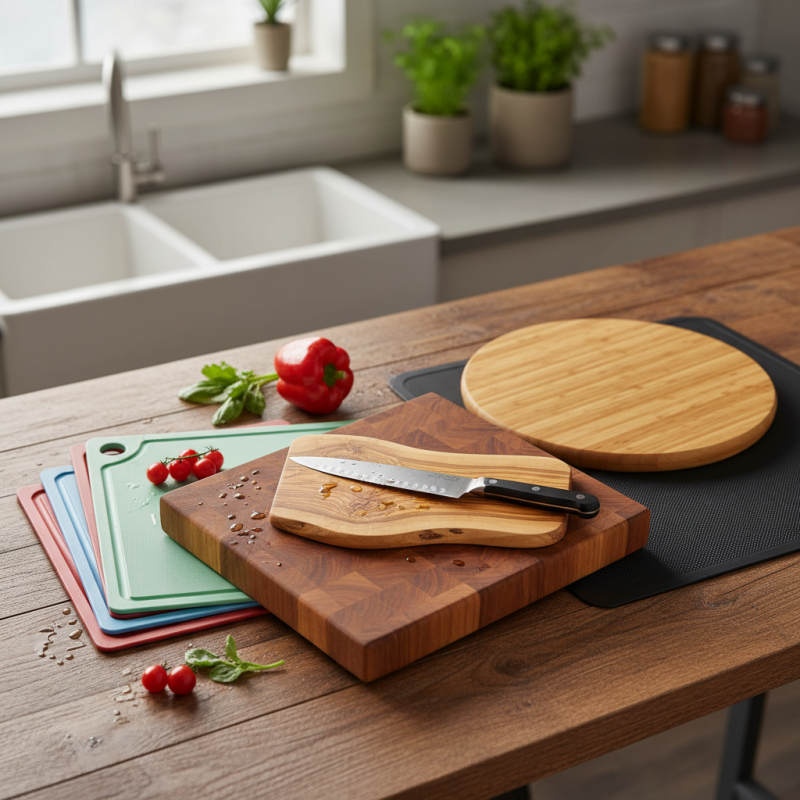
When choosing a cutting board, consider the material carefully. Wood, plastic, and bamboo each offer unique benefits and challenges. Wooden boards are often praised for their durability and aesthetic appeal. They can be gentle on knives. However, they require more maintenance. Regular oiling keeps the wood from drying out. They are also prone to scratches and bacteria if not cared for properly.
Plastic cutting boards are easy to clean and often dishwasher safe. They come in various colors, which can help prevent cross-contamination. Yet, they can dull knife edges quickly. Over time, they may develop deep grooves that harbor bacteria. Bamboo boards fall somewhere in between. They are eco-friendly and resistant to moisture. Still, some may find them too hard on knives. Each type has its pros and cons, requiring thoughtful consideration. How much time are you willing to invest in maintenance? Your choice should reflect your cooking habits and preferences.
Choosing the right cutting board for your kitchen involves several key factors. The material is one of the most important aspects. Options like wood, plastic, and bamboo each have unique benefits. According to a recent report by the USDA, wooden cutting boards naturally have antibacterial properties. However, they can be more challenging to clean than their plastic counterparts. Some studies indicate that plastic boards may harbor germs if not properly sanitized.
Thickness and weight also matter. A thicker board tends to provide stability while cutting, preventing slipping. A report from the National Sanitation Foundation suggests that heavier boards resist warping over time. Yet, they can be cumbersome to handle. If space is tight, a lightweight board might be more practical, even if it sacrifices some stability.
Finally, consider the board's size and design. A larger board offers more surface area for cutting, yet it might not fit in smaller kitchens. A 2018 report revealed that 70% of home cooks prefer rectangular boards for versatility. Still, some find round boards visually appealing but less functional. It's essential to find a balance between aesthetics and practicality, reflecting personal cooking habits while maintaining kitchen efficiency.
When it comes to cutting boards, maintenance is crucial. Different materials require unique care to ensure longevity. Wood boards, for example, are prone to stains and warping. Regular oiling helps to protect the wood and maintain its integrity. A study by the USDA found that wooden boards can be more sanitary than plastic when properly maintained.
Plastic boards tend to be easier to clean. They can withstand high temperatures and are often dishwasher safe. However, they can develop deep grooves over time, which harbor bacteria. It's essential to replace them when they become excessively worn. The CDC recommends using separate boards for raw meat and vegetables to prevent cross-contamination.
Tip: Clean your wooden board after each use. Rinse with warm water and mild soap, then dry thoroughly. For plastic boards, run them through the dishwasher for a deep clean. Remember, neglecting this maintenance can lead to food safety issues, creating a reflection point in your kitchen hygiene practices.
Using cutting boards safely is crucial in the kitchen. Different materials can harbor bacteria. Wood boards, for example, need extra care. They should be washed with soap and water immediately after use. Avoid soaking them in water, as this can cause warping. Plastic boards can go in the dishwasher but often scratch easily. These scratches can trap germs.
Always use separate boards for raw meat and vegetables. This minimizes cross-contamination. Consider color-coding your boards for easy identification. Make sure to inspect your boards regularly for deep cuts or cracks. These imperfections can be home to harmful bacteria. Replace cutting boards that show significant wear or damage.
Even with precautions, accidents can happen. A slip while cutting can lead to minor injuries. Keep your board stable while working. If it's slipping, use a damp cloth underneath. Remember, cutting boards are tools; their upkeep is essential for kitchen safety.
Choosing the right size and thickness for your cutting board can significantly impact your cooking experience. A study by the American Culinary Institute indicates that nearly 70% of chefs prefer boards that are at least 18 inches long. This size provides ample space for cutting various ingredients. For most home cooks, a board size around 16 x 22 inches can be quite practical.
Thickness also plays an important role. Reports show that thicker boards, typically 1.5 inches or more, tend to be more durable. They can resist deep cuts and damage, making them a long-term investment. However, heavier boards can be cumbersome for some users. You may want a balance between durability and weight.
**Tip:** If you're short on space, consider a compact size that can still handle most tasks. Smaller boards are easier to store, yet you might find them less versatile.
**Tip:** Always check board stability. A board that slips can lead to accidents while chopping. A thicker, well-balanced board will provide a steady surface.
The choice of materials also affects size preferences. Wood boards are often thicker and more substantial, while plastic tends to come in thinner options. Reflect on your cooking style. What feels comfortable?
| Material | Size (inches) | Thickness (inches) | Best for | Care Instructions |
|---|---|---|---|---|
| Bamboo | 18 x 12 | 0.5 | Vegetables, Fruits | Hand wash, dry immediately |
| Plastic | 24 x 18 | 0.75 | Meat, Fish | Dishwasher safe |
| Wood | 20 x 15 | 1 | Baking, Chopping | Oil regularly, hand wash |
| Glass | 16 x 12 | 0.25 | Presentation, Serving | Dishwasher safe, avoid heavy usage |
| Composite | 22 x 14 | 0.5 | All-around use | Easy to clean, hand wash recommended |
: Material is key. Wood, plastic, and bamboo each offer unique benefits. Consider ease of cleaning and maintenance.
Wooden boards have antibacterial properties but can be tough to clean. Plastic ones are easier but may harbor germs if not cleaned well.
Thicker boards provide stability while cutting. Heavier boards resist warping but can be cumbersome to handle, especially in tight spaces.
Larger boards provide more cutting area. Rectangular shapes are preferred for versatility, while round boards may be visually pleasing but less functional.
Regular oiling is needed to protect it. Clean after each use with warm water and mild soap, then dry it thoroughly.
They are easier to clean but can develop grooves. Replace them if they become excessively worn to prevent bacterial growth.
Always use separate boards for raw meat and vegetables. Inspect for deep cuts regularly, as these can harbor harmful bacteria.
Wash wooden boards immediately with soap. Avoid soaking. Use a damp cloth under slipping boards to keep them stable.
Neglecting proper care can lead to food safety issues. Regular upkeep is essential for kitchen hygiene.
Yes, a slip can lead to minor injuries. Always ensure your board is stable while cutting to mitigate this risk.
When contemplating how to choose the best cutting board for your kitchen, it’s essential to explore various types such as wood, plastic, and bamboo, each offering unique benefits and drawbacks. Consider factors like durability, maintenance requirements, and the types of food you will be preparing. Wood boards are often favored for their aesthetic appeal and knife-friendliness, while plastic boards are easy to clean and maintain. Bamboo is an eco-friendly option that also provides a sturdy cutting surface.
Additionally, proper maintenance is critical for prolonging the lifespan of your cutting board, with distinct care techniques for each material. Safety guidelines should also be followed, including ensuring a stable surface and using separate boards for different food groups to prevent cross-contamination. Lastly, selecting the appropriate size and thickness will cater to your culinary needs, ensuring comfort and efficiency while preparing meals.

Auroch Kitchen