When considering kitchen essentials, chopping boards play a pivotal role. It’s essential to understand what materials are ideal for durable chopping boards. A report by the National Sanitation Foundation indicates that cutting boards made from certain materials can reduce bacteria growth effectively. In fact, some woods, like maple and bamboo, are naturally antimicrobial.
Various materials come with distinct benefits and drawbacks. For instance, plastic boards are durable and dishwasher-safe, making them a popular choice. However, they can develop deep grooves over time, harboring bacteria. On the other hand, wooden boards might require more maintenance, yet they add aesthetic appeal. A survey by the Kitchenware Manufacturers Association shows that 75% of chefs prefer wooden boards for their resilience and cutting performance.
The decision ultimately hinges on personal preferences and kitchen practices. By evaluating the durability, ease of cleaning, and maintenance needs of different materials, one can select the best option. It’s imperative to reflect on how often you cook and your preferred cutting techniques. Each material has its pros and cons, requiring thoughtful consideration for longevity and usability.
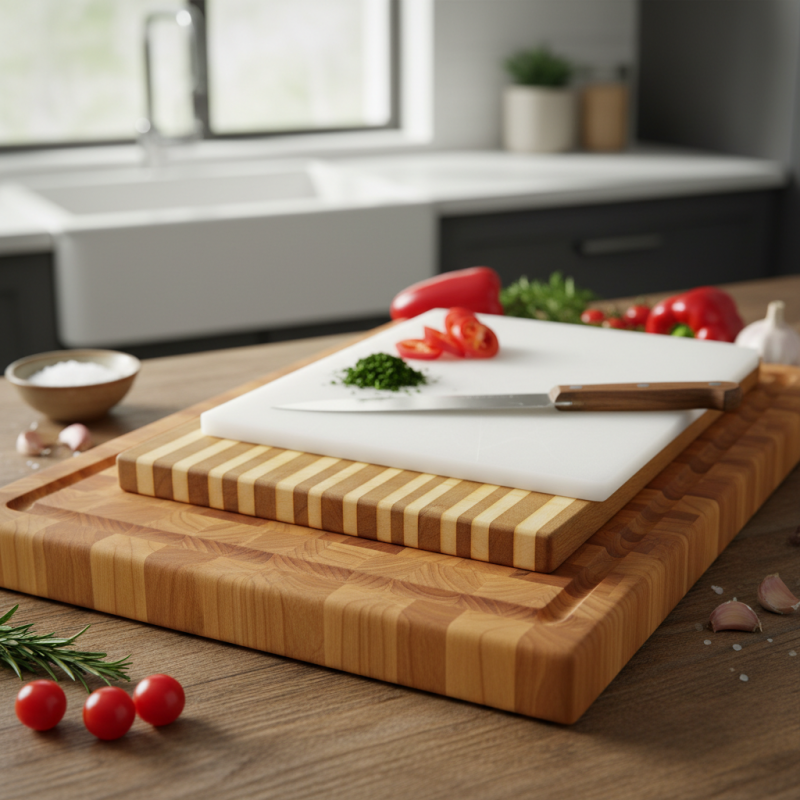
Factors to Consider When Selecting Chopping Board Materials
When selecting materials for a chopping board, several factors are crucial. The durability of the material is a top priority. Hardwoods like maple and walnut are known for their strength and longevity. They resist deep cuts and scratches, which can harbor bacteria. However, these woods require proper maintenance, such as regular oiling, to prevent drying and cracking over time.
Another essential factor is the board's surface texture. A smooth surface is easy to clean, but it can lead to slipping while cutting. Conversely, a textured surface can provide stability but may be harder to sanitize. Consider the balance between these qualities. Plastic boards are lightweight and dishwasher safe, but they may not provide the same longevity as wood. Over time, they can develop grooves that trap food particles.
Lastly, consider the environmental impact of your choice. Sustainable materials might be more expensive initially, but they offer long-term benefits for the planet. Reflecting on these factors is essential for making an informed decision. Would durability outweigh sustainability for you? The right material for chopping boards varies from person to person, reflecting individual needs and cooking habits. Ensure that you select the best option for your kitchen.
Comparison of Common Materials for Chopping Boards: Pros and Cons
When choosing a chopping board, material plays a crucial role. Wood, bamboo, plastic, and glass are popular options, each with distinct characteristics. Wooden boards are often praised for their aesthetic appeal. They are gentle on knives, preventing dulling. However, they can absorb moisture and harbor bacteria if not maintained properly. Regular oiling is necessary for longevity but might be overlooked by many.
Plastic chopping boards are lightweight and easier to clean. They can go in the dishwasher, which is convenient. However, they tend to get scratched easily. These scratches can trap bacteria, raising hygiene concerns. Many users prefer plastic but may not realize the importance of replacing them regularly. Glass boards, while elegant, can damage knives and pose a risk of slipping during use. They are easy to sanitize but may not last long in a busy kitchen.
Bamboo offers a balance between the two, being lightweight and eco-friendly. It resists moisture better than wood, but it can splinter over time. Each material has its pros and cons. Users should consider their cooking habits and maintenance routines before choosing. Reflecting on these factors ensures the right chopping board is selected for both durability and safety.
Durability and Longevity of Different Chopping Board Materials
When choosing a chopping board, material significantly affects durability and longevity. Wood, plastic, and bamboo are popular options, each with unique properties. According to a study by the USDA, wooden boards can resist bacterial growth better than plastic. However, wood requires proper maintenance, like regular oiling, to prevent cracking.
Plastic cutting boards, while dishwasher safe, tend to harbor knife marks that can trap bacteria. A 2020 report from the Food Safety Inspection Service found that plastic boards can wear out quickly, often needing replacement after a year of excessive use. Ironically, users may choose plastic for convenience but compromise on durability.
Bamboo boards offer a renewable option with sturdy qualities. They are harder than some woods, which can lead to a longer lifespan if taken care of properly. However, they can splinter and absorb odors. Choosing the right material requires balancing hygiene, maintenance, and personal usage. Each type has its pros and cons, making it crucial to assess individual cooking habits.
How to Choose the Best Materials for Durable Chopping Boards? - Durability and Longevity of Different Chopping Board Materials
| Material |
Durability Rating (1-10) |
Longevity (Years) |
Maintenance Level |
Knife Friendly (Yes/No) |
| Wood (Bamboo) |
8 |
5-10 |
Low |
Yes |
| Plastic (Polyethylene) |
7 |
2-4 |
Medium |
Yes |
| Glass |
6 |
5-7 |
High |
No |
| Bamboo |
9 |
7-10 |
Low |
Yes |
| Rubber |
8 |
5-8 |
Medium |
Yes |
| Composite |
9 |
10+ |
Low |
Yes |
Maintenance Requirements for Various Chopping Board Types
When choosing a chopping board, maintenance is key. Different materials require different care.
Wood boards, while attractive, need regular oiling to prevent cracking. If neglected, they can warp or harbor bacteria. Clean them with mild soap and water. Avoid soaking them in water or using harsh detergents.
Plastic boards are often easier to maintain. They are dishwasher safe and do not absorb odors. However, they can scratch easily, creating grooves where bacteria can hide. Regularly inspect them for wear and replace them as needed.
Bamboo boards fall in between; they are more eco-friendly but still need care to maintain their integrity.
Glass and marble boards look sleek but require more caution. While they are non-porous, they can dull your knives. Cleaning is simple, but frequent use can lead to scratches. Each type of board has unique features, but the key is finding one that fits your kitchen routine. Reflect on how often you cook and choose accordingly.
Maintenance may seem tedious, yet it's vital for longevity. Your choice today impacts your experiences tomorrow.
Food Safety Standards Related to Chopping Board Materials
When selecting materials for chopping boards, food safety is paramount. Various materials are used, but not all meet safety standards. For example, plastic and wood are popular choices. Each material has unique characteristics that affect cleanliness and safety.
Plastic boards are non-porous, making them easier to sanitize. However, they can develop deep grooves over time, potentially harboring bacteria. Regular inspections are necessary. On the other hand, wooden boards can absorb moisture but are often treated to prevent bacterial growth. Cleaning them with hot, soapy water is crucial.
Tips: Always look for chopping boards labeled as food-safe. Check for certifications regarding safety standards. Consider the surface: smooth is often better for hygiene. Rotate your boards to avoid wear and maintain food safety. Regular maintenance is essential to prevent cross-contamination.
FAQS
: Hardwoods like maple and walnut are durable options. They resist cuts and scratches but need maintenance.
Regular oiling is necessary to prevent drying and cracking. Clean with hot, soapy water after each use.
Yes, they are non-porous and easy to sanitize. However, they can develop grooves that harbor bacteria over time.
A smooth surface is easy to clean but may slip. A textured surface offers stability but might be harder to sanitize.
Look for boards labeled as food-safe. Rotate boards regularly and inspect for grooves that can trap food particles.
Sustainable materials may cost more upfront. They offer long-term benefits for the environment and your health. Reflect on this choice.
Avoid soaking them in water. Use hot, soapy water and dry immediately to prevent moisture absorption.
Regular inspections are essential for both wood and plastic boards. Check for deep grooves or signs of wear.
It's advisable to have separate boards for meats and vegetables. This helps prevent cross-contamination.
The material can affect durability, safety, and maintenance. Choose what aligns with your cooking habits and reflect on your choices.
Conclusion
When choosing the best materials for durable chopping boards, it is essential to consider several factors that affect their performance and longevity. Key considerations include the board's ability to resist scratches, ease of cleaning, and overall maintenance requirements. A comparison of common materials, such as wood, plastic, and bamboo, highlights their respective pros and cons. For instance, wooden boards offer durability and aesthetic appeal but may demand more maintenance, while plastic boards are easier to clean but may not last as long.
Understanding what materials are ideal for durable chopping boards also involves examining their food safety standards and potential for harboring bacteria. Each material has unique traits that can influence its suitability for various kitchen tasks. Ultimately, selecting the right chopping board material requires balancing durability, maintenance, and safety to meet the needs of your culinary activities.

 Auroch Kitchen