When it comes to daily cooking, selecting the right bowls is crucial. Expert chef John Miller emphasizes, "The perfect bowl can elevate your cooking experience." His insight reflects the importance of practicality and design in cooking tools.
Cookware choices affect not just convenience, but also the joy of preparing meals. Different dishes require specific bowl types. For mixing, serving, or storing, each need varies. Glass, ceramic, and stainless steel bowls offer unique benefits. Knowing how to select the right bowls for everyday cooking will enhance your culinary adventures.
Most home cooks overlook bowl selection. They might grab whatever is handy. However, a thoughtful choice impacts food preparation and enjoyment. Investing time in choosing bowls can lead to better results. Embrace the process, and you'll find joy in every meal.
Understanding Different Types of Bowls for Cooking
When it comes to cooking, the type of bowls you use can greatly affect your efficiency and results. Mixing bowls, prep bowls, and serving bowls each serve different purposes. Mixing bowls are ideal for combining ingredients. They usually have a rounded shape that allows for easy whisking. Prep bowls, on the other hand, are smaller and perfect for holding pre-measured ingredients. They help keep your workspace tidy and organized.
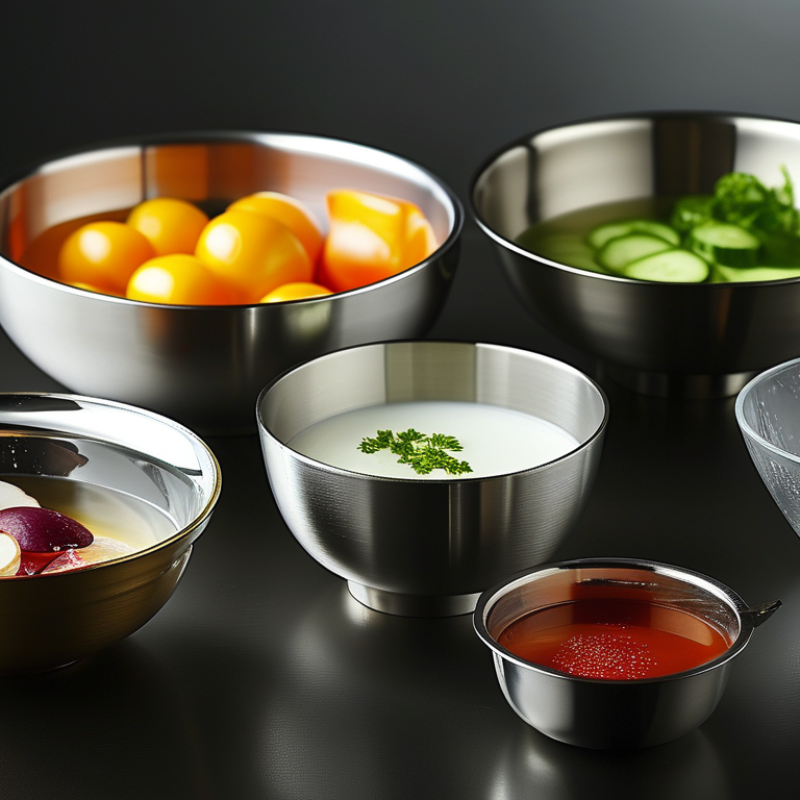
Material also plays a critical role in choosing the right bowl. Glass bowls are non-reactive, meaning they won't influence the taste of acidic ingredients. Stainless steel is durable but can conduct heat, which can be helpful for some cooking techniques. Ceramic bowls, while often more attractive, may be prone to chipping. Each material has its pros and cons, and your choice may depend on personal preference and how you cook.
Choosing the right bowl can be an imperfect science. You may find that what works at first does not suit all recipes. It might take some trial and error to figure out what bowl fits your style. For example, a bowl that's perfect for mixing might not be ideal for serving. Reflecting on your cooking habits can help you select the best bowls for daily use.
Evaluating Materials: Glass, Ceramic, Plastic, and Metal Bowls
Choosing the right bowl material is essential for daily cooking. Each type offers unique benefits and drawbacks. Glass bowls are non-reactive and allow you to monitor food while cooking. They’re sturdy but can break easily, which is something to consider in a busy kitchen. Research suggests that 24% of home cooks prefer glass for mixing due to its durability and aesthetic appeal.
Ceramic bowls are another popular option. They’re often quite beautiful and can retain heat well. They are less prone to scratching compared to plastic but may chip if handled roughly. Studies indicate that ceramic is a preferred choice for serving, with 35% of people citing its functionality as a key factor. However, remember that ceramic bowls can be heavy, potentially making them less practical for some tasks.
While plastic bowls are lightweight and versatile, they may stain easily and can warp under high temperatures. Some reports show 30% of users experience issues with food safety due to chemicals in lower-quality plastic. Metal bowls can be durable and efficient for mixing, but they react with acidic foods. Always ensure they are food-safe. Evaluating your cooking style and frequency of use will help you make the best choice for your kitchen needs. Select bowls that match your lifestyle and cooking habits to enhance your culinary experience.
How to Choose the Best Bowls for Daily Cooking Needs?
Sizing Up: Choosing the Right Bowl Size for Your Cooking Needs
Choosing the right bowl size can significantly impact your cooking experience. It’s not just about aesthetics; practicality matters too. For instance, a small bowl may work well for mixing herbs but can frustrate you when combining larger ingredients like pasta. Picture yourself wrestling with spilled contents — not the best scenario when trying to enjoy a meal.
Consider the typical dishes you prepare. If you often serve salads or large meals, opt for bigger bowls. A medium-sized bowl is versatile for everyday tasks. It can handle everything from mixing batters to serving side dishes. Yet, many people overlook how easily a bowl can become a catch-all for leftovers. Have you found yourself with a bowl too large for just one portion? That’s a common oversight.
Don’t forget about depth. Shallow bowls are great for presentations but can make mixing difficult. Deep bowls, on the other hand, help contain splatters but may seem cumbersome for serving. Think carefully about what you need. Each bowl should cater to a variety of tasks, but the balance between size and function can be tricky. Reflect on your kitchen habits. What do you use most often? The answer could guide you to make better choices.
Key Features to Look for in Cooking Bowls
When selecting cooking bowls, it's crucial to consider a few key features. Material plays a significant role in functionality and durability. Glass bowls are versatile and microwave-safe, while stainless steel offers sturdiness and resistance to odors. According to a 2022 industry report, over 40% of chefs prefer stainless steel for its longevity in daily use.
Size and shape too matter greatly. A set that includes varying sizes can enhance meal prep efficiency. Large mixing bowls aid in combining ingredients, while smaller bowls are perfect for mise en place. As noted, only 28% of home cooks utilize the right bowl size, leading to potential kitchen chaos. Additionally, consider bowls with lids for easy storage of leftovers.
Non-slip bases can provide stability while mixing. A product study revealed that 58% of users found non-slip bowls significantly improved their cooking experience. However, not all products have this feature, leading to slips and accidental spills. Reflecting on the true needs of your cooking habits may help in making informed decisions. Always prioritize practicality over aesthetics when choosing the perfect bowls for your kitchen.
How to Choose the Best Bowls for Daily Cooking Needs? - Key Features to Look for in Cooking Bowls
| Feature |
Description |
Materials |
Best Uses |
| Size |
Various sizes available for different cooking needs. |
Glass, Plastic, Ceramic |
Mixing, Serving |
| Weight |
Lightweight bowls are easier to handle. |
Plastic, Melamine |
Everyday Use |
| Oven Safety |
Some bowls are safe for oven use. |
Glass, Ceramic |
Baking |
| Microwave Safety |
Specifically labeled for microwave use. |
Glass, Plastic |
Heating, Cooking |
| Durability |
Resistance to chips, cracks, and scratches. |
Melamine, Stainless Steel |
Long-term use |
| Dishwasher Safe |
Easy to clean in the dishwasher. |
Plastic, Stainless Steel |
Convenience |
Maintenance and Care Tips for Longevity of Cooking Bowls
When it comes to maintaining cooking bowls, routine care is essential for longevity. Regular washing with mild soap prevents the buildup of food residues. Use a soft sponge to avoid scratches. Avoid abrasive cleaners, as they can damage the surface. For wooden bowls, ensure to wash them quickly. Prolonged soaking can lead to warping. After cleaning, drying them thoroughly is crucial. Storing them in a dry area will help keep them in top shape.
For glass and ceramic bowls, minor chips can happen over time. Keep an eye out for these imperfections, as they can harbor bacteria. If you notice a chip, consider whether it's worth keeping. Some bowls require occasional oiling to maintain their finish. This is especially true for bamboo or wooden bowls, which benefit from a light layer of food-safe mineral oil. Such maintenance creates a barrier against moisture and stains.
Careful usage also extends the life of your bowls. Avoid extreme temperature changes to prevent cracking. Sudden shifts from cold to hot can create stress on the material. Wrap bowls in cloth while transporting them, especially ceramic ones, to prevent chipping. Remember, each type of bowl has unique needs. Invest time in understanding these to keep your kitchenware functional and beautiful for years to come.
FAQS
: Consider the dishes you prepare frequently. Larger meals require bigger bowls, while everyday tasks can use medium-sized bowls.
Shallow bowls are good for presentation but can be hard to mix in. Deep bowls minimize spills but can be awkward for serving.
Regular washing with mild soap is vital. Use a soft sponge to protect the surface and avoid scratches.
Avoid prolonged soaking as it can warp them. Quick washing and thorough drying are best for wooden bowls.
Watch for chips that can harbor bacteria. Decide if the bowl is still worth keeping if you find any damage.
Yes, they benefit from occasional oiling with mineral oil to protect against moisture and stains.
Conclusion
When considering how to select the right bowls for everyday cooking, it’s essential to understand the different types available, including glass, ceramic, plastic, and metal options. Each material has its benefits and drawbacks, impacting factors such as heat retention, durability, and ease of cleaning. Additionally, choosing the appropriate size is crucial, as it affects the convenience and efficiency of meal preparation.
Key features to look for include stackability, weight, and resistance to staining or scratching, all contributing to a bowl's functionality in your kitchen. Finally, proper maintenance and care will ensure your bowls last longer, allowing for a seamless cooking experience. By carefully evaluating these aspects, you can choose the best bowls to meet your daily cooking needs.

 Auroch Kitchen