2026 Best Ways to Prevent Bowls from Tipping While Serving?

Time:2026-11-02 Author:Aria
0%

A bowl tipping mid-service can send soup across a table, stain a linen, and interrupt a busy shift. The fix is rarely complicated, but it should be repeatable. This guide explains how to prevent bowls from tipping while serving, from choosing a broad, stable base to checking the table surface and adjusting how food is plated.

The National Restaurant Association’s 2024 State of the Restaurant Industry report projected U.S. restaurant sales of $1.1 trillion. That figure reflects the scale of foodservice, not a measured rate of bowl accidents; no industry-wide tipping statistic is cited here. Still, small service failures matter when teams are moving quickly. Picture a filled ramen bowl balanced near a table edge, or a shallow dish rocking on a damp tray. A few practical checks can reduce those risks: use non-slip liners where appropriate, avoid overfilling, and carry bowls from underneath rather than by the rim.

Ergonomics guidance from the U.S. National Institute for Occupational Safety and Health emphasizes designing work to fit people and tasks. Applied to serving, that means choosing equipment and workflows staff can handle steadily. No source articles or verifiable specialist quotation were provided, so I won’t invent a named expert’s words. The advice here stays practical—and worth testing in your own service setup.
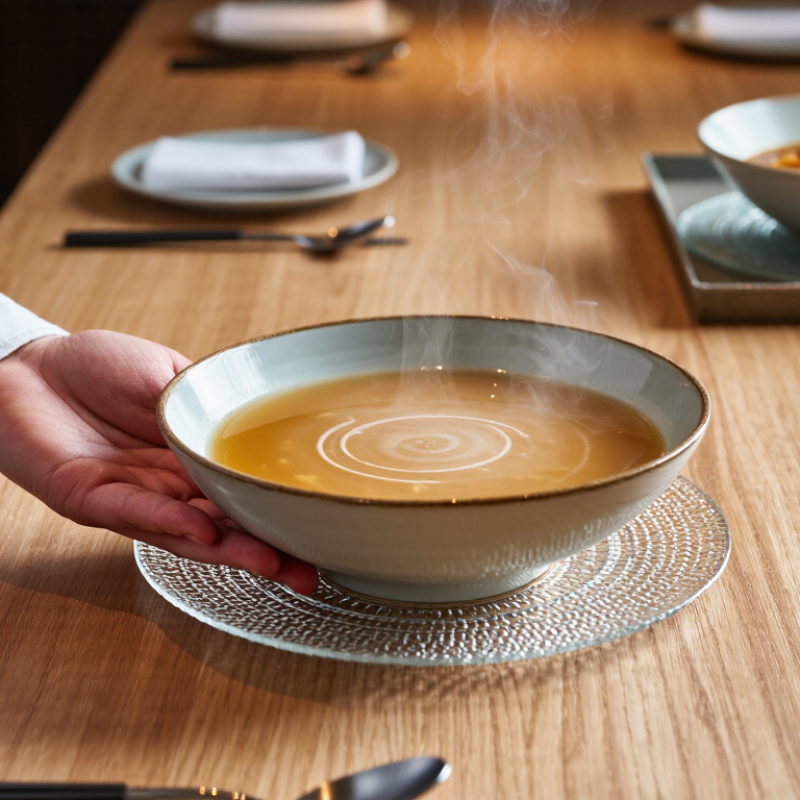
2026 Best Ways to Prevent Bowls from Tipping While Serving?

Common Causes of Bowls Tipping During Serving

A bowl often tips because several small forces meet at once. A soft tablecloth, crumbs, or a damp counter can let its base slide when a serving spoon presses against the rim. Even a sturdy bowl may rock on a warped board or an uneven table. Tiny shifts matter.

Weight distribution is another common cause. Thick food piled on one side, or a ladle resting over the edge, moves the bowl’s center of mass outward. Deep, narrow bowls can feel top-heavy when filled near the rim. Guests may also pull food toward themselves instead of lifting straight up, adding sideways force. It happens quickly.

Serving habits and setup contribute too. A crowded buffet can lead people to bump bowls while reaching across plates. Dense foods may require extra force to scoop, especially with a slick spoon. Lightweight bowls are more vulnerable when nearly empty, while heavy bowls can still tip if their base is small or the surface is slippery. It is easy to blame the dish alone; the table surface is often overlooked. A few crumbs underneath can make a bowl wobble.

Choosing Bowls with a Stable Base and Suitable Shape

A bowl is less likely to tip when its base sits flat and spreads its weight across the table. Look for a broad, level foot rather than a narrow ring or rounded bottom. A low center of gravity also helps, especially when serving heavy foods such as stew or fruit. Check the bowl on a hard, even surface before filling it. A slight wobble can become a spill.

Shape matters, too. Wide, gently sloped bowls are usually easier to serve from than tall, narrow ones. Their contents stay accessible, and a spoon is less likely to catch the rim and shift the bowl. Still, a wide bowl is not automatically stable; a heavy rim or uneven base can offset its shape. Test the empty bowl, then add a typical serving and gently stir. It is a simple check, not a guarantee on every table.

Tips: Choose a base wider than the bowl’s upper opening when practical. Avoid placing bowls on folded napkins or slick surfaces. For shared serving, leave room around the bowl so guests can reach without bumping it. If it rocks, use another bowl. That small detail is easy to miss.

Preparing a Level, Non-Slip Serving Surface

A stable serving setup starts with the table, not the bowl. Choose a firm, level spot away from table edges and busy walkways. A small bubble level can reveal a slight tilt that is hard to see. No tool? Set an empty bowl down and check whether it rocks. Test it first.

Wipe the surface dry, then place a clean, food-safe non-slip mat beneath the bowl. It should lie flat, without curled corners or thick folds that create a new wobble. A thin silicone liner or grippy serving pad can help keep the bowl from sliding when guests reach for food.

I used to think a heavier bowl solved everything; it did not on a slanted table. The base still shifted when someone nudged it.

Set the bowl near the center of the mat, and keep heavier food evenly distributed. Before serving, press gently on the rim from different sides. If it tips or slides, adjust the surface rather than adding more food. Small details matter. Even a well-prepared spot can become unstable if the table is bumped, so leave room around the bowl and avoid placing it beside a crowded edge.

Keeping Bowls Steady with Mats, Holders, or Supports

A bowl may seem steady on an empty counter, then slide when a spoon scrapes its rim. A non-slip mat adds friction beneath the base, especially on polished stone or laminate. Choose a washable mat that lies flat and extends just beyond the bowl. Too much overhang can catch sleeves. Dry the counter and mat before serving; crumbs or oil may reduce grip. That detail is easy to miss.

A fitted bowl holder can help when guests serve themselves or children reach across the table. Look for a broad, stable base and a rim that supports the bowl without blocking access to its contents. The fit matters: a holder that is too loose may wobble, while one that grips too tightly can make lifting awkward. Test it with the bowl empty, then gently press the rim from different sides.

For heavier serving bowls, a low support or weighted stand can offer extra stability on uneven tables. Check that all contact points rest evenly; a folded napkin under one corner may shift once the bowl is full. I would not assume one solution suits every setup. A mat can work well for a small salad bowl, while a wide holder may be more practical for a deep dish. Keep the support dry, and check for movement before adding hot food.

2026 Best Ways to Prevent Bowls from Tipping While Serving

Keeping bowls steady with mats, holders, or supports

How to read this: Qualitative guidance on a 1–5 scale, not standardized laboratory measurements. Higher scores indicate stronger typical performance for each feature; results vary with bowl shape, surface, and product design. A non-slip mat helps limit sliding, while a holder or cradle can add physical restraint against tipping.

Serving Safely with Balanced Portions and Careful Handling

A steady serving starts before the bowl reaches the table. Choose a vessel with a broad, flat base, and check that its underside and the surface are dry. Add food in balanced portions, placing heavier items near the center rather than piling everything against one rim. Leave space at the top; a bowl filled to the brim is harder to carry without sloshing. For shared dishes, keep the serving spoon inside the bowl and set it on a level surface between uses.

When carrying, hold the bowl with both hands and keep it close to your body. If using a tray, position the bowl near the center, not at the edge. Take smaller steps around corners and pause before setting the bowl down. UNEP’s Food Waste Index Report 2024 estimates that food services generated 28% of the 1.05 billion tonnes of food wasted globally in 2022. That figure does not measure spills, but it gives careful portioning a wider purpose. I have to admit, perfect balance is not always realistic during a busy service. A quick check for a leaning stack or an overloaded side still helps.

FAQS

How can I check whether a table is level?

Place an empty bowl on the table and see whether it rocks. A small bubble level can reveal a slight tilt. Test it first.

What should I place beneath the bowl?

Use a clean, food-safe non-slip mat on a dry surface. Keep it flat; curled corners may cause wobbling. Thin mats can help.

Where should the bowl sit?

Place it near the mat’s center, away from table edges and busy walkways. Leave room around it. Crowded edges invite bumps.

How can I test the bowl’s stability?

Press gently on different sides of the rim. If the bowl tips or slides, adjust the surface. Adding more food will not fix it.

How should I arrange food in the bowl?

Place heavier items near the center, not against one rim. Leave space at the top to reduce sloshing. A brim-full bowl is harder to carry.

What kind of bowl is a steadier choice?

Choose a vessel with a broad, flat base. Check that its underside is dry. Shape alone cannot fix a tilted table.

How should I carry a serving bowl?

Hold it with both hands, close to your body. On a tray, keep it near the center. Take small steps around corners. Pause before setting it down.

Can balanced portions help prevent spills?

Serve balanced portions and refill when needed. A 2024 report estimated food services generated 28% of global food waste in 2022. Spills were not measured. I still misjudge portions sometimes.

Conclusion

Bowls often tip during serving when they have a narrow or uneven base, are filled too heavily on one side, or sit on a wet, polished, or tilted surface. Understanding these causes is the first step in learning how to prevent bowls from tipping while serving. Choose bowls with a broad, flat base and a shape suited to their contents, and place them on a level, dry surface with enough room to handle them comfortably.

For extra stability, use a non-slip mat, a fitted holder, or a supportive tray, especially when serving liquids or food that shifts easily. Add portions gradually and distribute them evenly instead of piling food to one side. When lifting or passing a bowl, hold it securely with both hands when appropriate, keep it close to the body, and move smoothly. These simple choices can make serving safer and reduce spills.

Aria

Aria

Aria is a dedicated marketing professional with a deep passion for innovative strategies and a keen understanding of our company's product offerings. With a wealth of experience in the industry, Aria excels at crafting engaging content that highlights the unique features and benefits of our......