When selecting tableware, many overlook how to choose tableware that fits your kitchen aesthetic. Yet, the right pieces can elevate your dining experience and harmonize with your kitchen's style. Consider the materials, colors, and shapes that resonate with your space. Each choice reflects not only your personal taste but also the functionality needed for everyday use.
Mix and match styles can create a unique charm, but it can also lead to a cluttered look if not done thoughtfully. Aim for coherence, ensuring that your tableware complements not just your plates, but also your overall kitchen decor. Remember, practicality is key; select pieces that are durable and easy to clean.
It's easy to get lost in trends and forget about your unique preferences. Take time to reflect on what truly resonates with you. This process can be daunting, but embracing imperfections can lead to a more personalized collection. Ultimately, well-chosen tableware can make your dining table a true extension of your kitchen's aesthetic.
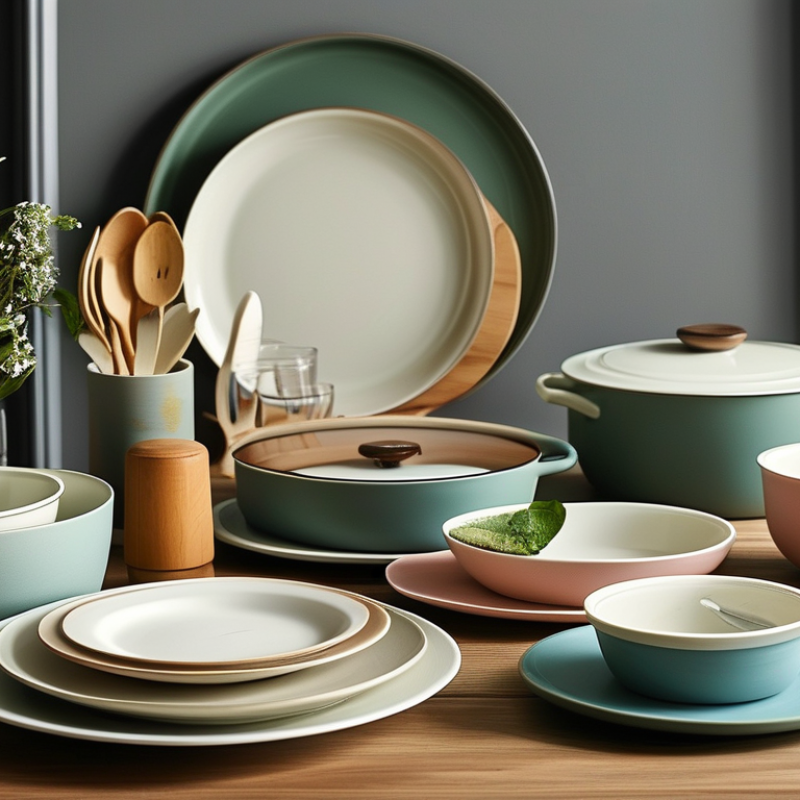
Understanding Your Kitchen Style and Aesthetic
When choosing tableware, understanding your kitchen style is essential. A modern kitchen benefits from sleek, minimalist designs. For a rustic kitchen, earthy tones and textured dishes work best. Always consider how the tableware reflects your home’s aesthetic.
Tip: Pay attention to color palettes. Match your dishes to your cabinetry or wall color. This creates a cohesive look that feels intentional. If you find vibrant dishes pulling focus from muted spaces, it might be time to reconsider.
Moreover, think about your dining style. Formal settings call for elegant tableware. Casual meals might allow for playful patterns. Strive for a balance that feels authentic to everyday life. Experimenting with mismatched pieces can add character but may feel chaotic.
Find that sweet spot between harmony and personal expression.
Considering Material and Durability for Long-Term Use
When selecting tableware, the choice of material plays a crucial role in ensuring durability. A recent survey by the National Kitchenware Association found that 65% of consumers prioritize longevity over style when purchasing dinnerware. Melamine, stoneware, and porcelain are popular options for their resilience and aesthetic appeal. Melamine, for instance, is shatterproof, making it ideal for families with young children. However, some may overlook that excessive heat can warp it.
Durability should factor in everyday use and maintenance. Stoneware is often chosen for its chip resistance, yet it can be heavy and difficult to handle. Porcelain, on the other hand, offers sophistication but may require careful handling. A study by the Consumer Product Safety Commission reported that 32% of tableware accidents involve breakage, emphasizing the need for thoughtful selection. While looks matter, it is essential to balance beauty with practicality, as the ideal tableware should withstand the test of daily life.
Choosing Colors and Patterns that Harmonize with Your Decor
When selecting tableware, color and pattern play pivotal roles. A study by the Color Marketing Group reveals that 65% of consumers find color to strongly affect their dining experience. Choosing hues that match or complement your kitchen's decor enhances both aesthetics and mood. For instance, soft pastels can create a calming environment, while vibrant colors can energize the atmosphere.
One tip is to consider your kitchen’s color scheme. If your kitchen features cool tones, opt for tableware in similar shades. This creates harmony. Mixing patterns can also be effective. However, balance is key. Finding one dominant pattern and one subtle design can create visual interest without overwhelming the space.
As you explore various designs, be mindful of personal style. Trends may entice, but they may not reflect your individuality. A recent survey indicates that 70% of consumers prefer unique patterns to stand out. Don’t shy away from vintage or handmade tableware. They often provide character and charm, making your dining experience more memorable. Over time, your choices should evolve, reflecting both changes in taste and lifestyle.
Assessing Functionality and Practicality in Daily Use
Choosing the right tableware is crucial for daily dining experiences. Functionality and practicality should be your primary considerations. According to a recent survey by the National Kitchen and Bath Association, 65% of homeowners prefer tableware that is easy to clean and durable. This reflects a growing emphasis on materials that can withstand daily use.
When selecting dinnerware, consider weight and ease of handling. Lighter pieces are easier to manage, especially for families with children. Avoid overly fragile items that might chip easily. Industry insights suggest that ceramic and stoneware are both stylish and practical options, offering resilience against daily wear and tear. However, some families still experience difficulty with broken plates during meals, indicating that not all durable options are created equal.
Another aspect to assess is the storage capability of your tableware. Space is often limited in kitchens. Stackable dishes can optimize your cabinets but may require reflection on your cooking habits. Opting for versatile pieces that transition well from the dining table to the oven can enhance both functionality and style. Always remember that the right choice can elevate meal presentation but should not compromise ease of use and practicality.
Budgeting Wisely for Quality Tableware Choices
When selecting tableware, budgeting wisely becomes crucial. A report by the Consumer Reports highlights that quality dinnerware can last over a decade if well-chosen. Investing in durable materials can save money in the long run. Choose materials like porcelain or stoneware over ceramic for better longevity. These options may have a higher upfront cost but often withstand the rigors of everyday use.
Many homeowners mistakenly opt for cheaper alternatives, risking damage and frequent replacements. This approach may seem attractive initially but can lead to increased expenses over time. The American Houseware Association suggests that consumers should expect to spend between $100 to $300 for a complete dinnerware set. Setting a realistic budget will guide better decisions and encourage quality selections.
Research shows that aesthetic appeal plays a vital role in tableware choices. People often prioritize design over durability, which can lead to regrets. A balance between style and function is essential. Consider purpose and frequency of use when shopping. If regular use is expected, prioritize resilience. While splurging on unique pieces might tempt you, ensuring they can endure daily routine is wiser. The key is to remain reflective about your choices and their long-term value.
Conclusion
When it comes to how to choose tableware that fits your kitchen aesthetic, it's essential to start by understanding your kitchen's style and overall decor. Consider the materials of your tableware, prioritizing durability for long-term use, especially if you frequently entertain guests or use your kitchen for family meals. Selecting colors and patterns that harmonize with your existing decor can elevate the visual appeal of your dining experience.
Additionally, functionality and practicality should play a crucial role in your decision-making process. Ensure that the tableware you select meets your daily needs while also fitting within your budget. By carefully assessing these factors, you can create a cohesive and inviting atmosphere that enhances your kitchen aesthetic and makes every meal a pleasurable occasion.

 Auroch Kitchen