Choosing the right materials for sturdy chopping boards is crucial for any kitchen. The market offers various options, but what materials are ideal for durable chopping boards? The right choice impacts food preparation, knife longevity, and overall hygiene.
Wooden boards provide a warm, aesthetic appeal. They are gentle on knives and can last for years with proper care. However, they may require regular oiling to prevent warping and cracking. On the other hand, plastic boards are lightweight and easy to clean, making them popular for many home cooks. Yet, they can scar easily and may harbor bacteria in those grooves.
Bamboo, a sustainable choice, combines durability and a unique look. However, some find it harder on knives than traditional wood. Ultimately, the best material depends on personal needs and cooking habits. Reflecting on these choices can lead to better kitchen practices.
Types of Materials Used for Chopping Boards
When choosing a chopping board, the material significantly impacts durability and usability.
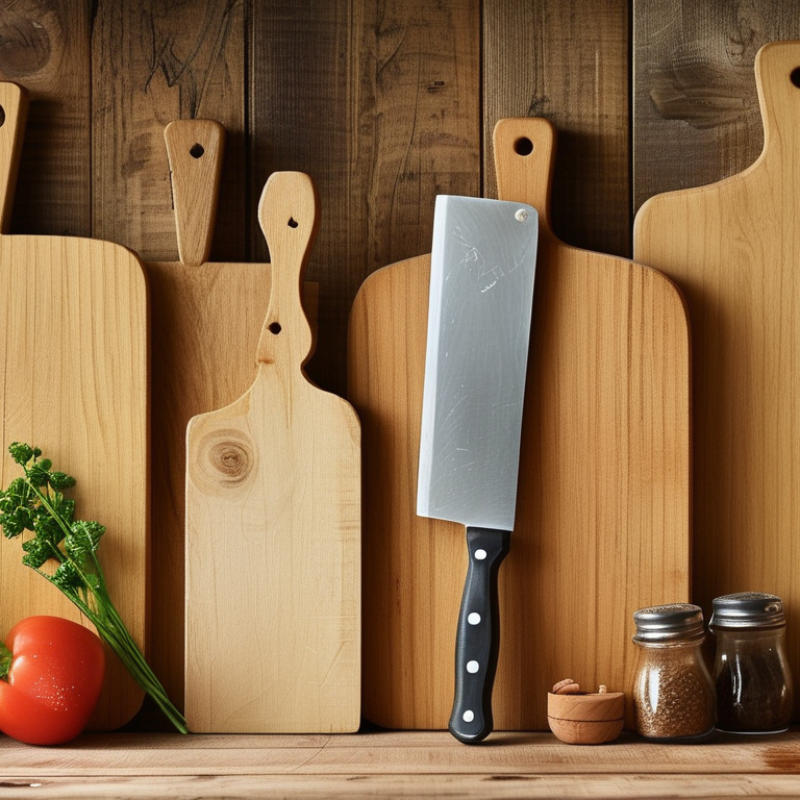
Wood is a classic choice, offering warmth and natural aesthetics. Hardwoods like maple and teak resist knife marks well, maintaining their surface over time. However, wood requires regular oiling to prevent cracking and warping.
Plastic boards are lightweight and often dishwasher safe. They come in various colors, which can help in avoiding cross-contamination while preparing food. While colorful, they can scratch more readily than wood. Those scratches can harbor bacteria, making it crucial to replace them regularly.
Bamboo is another popular option. It’s eco-friendly and has natural antibacterial properties. Yet, it can be hard on knife edges due to its hardness.
Glass boards are sleek and easy to clean, but they can be tough on knives, dulling them quickly. Each material has advantages and disadvantages. Evaluating your cooking habits is essential before making a decision.
Comparative Durability of Wood, Plastic, and Bamboo Boards
When evaluating the durability of chopping boards, wood, plastic, and bamboo each have their unique characteristics. Research shows that wood boards, particularly those made from hard maple or walnut, can last several years with proper care. They are less likely to blunt knives due to their forgiving surface. However, maintaining wood boards requires regular oiling to prevent cracking. Without care, they can harbor bacteria in unseen cracks.
Plastic boards are often marketed as being dishwasher-safe and easier to clean. A study conducted by the University of California revealed that plastic boards can sustain knife marks and surface damage over time. They tend to soak up liquids, which might lead to bacterial growth if not dried properly. This risk is often overlooked by users, indicating a need for better education around their maintenance.
Bamboo boards present a hybrid option. They are more sustainable than plastic, yet tougher than wood. However, many users report difficulty in cleaning, as bamboo's density can trap food particles. Professional assessments indicate that while bamboo's lifespan can rival wood,
improper use can lead to quicker wear. Overall, each material has its pros and cons, reminding us that even durable options require the right care.
Impact of Material on Knife Health and Maintenance
Choosing the right material for your chopping board can significantly impact knife health and maintenance. Various materials offer different levels of durability and affect knife edges in unique ways. For instance, wood boards tend to be gentler on knives compared to harder surfaces like glass or ceramic. When you cut on a wooden board, it creates a slight give. This can help preserve the sharpness of your knife blade.
On the other hand, plastic boards can be easier to maintain but may not be as forgiving. The harder surface can cause blades to dull more quickly. Frequent sharpening becomes necessary, which is a hassle for many home cooks. Additionally, some softer plastics may scratch easily, harboring bacteria over time. It’s essential to choose a material that fits your cooking habits and lifestyle.
Reflecting on personal experiences can enhance your understanding. You might notice that your favorite chopping board shows signs of wear. Maybe it's a wood board that needs oiling or a plastic one that has deep grooves. These imperfections highlight the need for regular maintenance. Each material requires a different approach to keep it in optimal condition. Recognizing these nuances can lead to better choices and happier cooking experiences.
What are the Best Materials for Durable Chopping Boards?
Hygiene and Safety Considerations for Chopping Board Materials
When selecting materials for chopping boards, hygiene and safety are crucial factors. Some materials, like wood, can harbor bacteria, especially if not properly maintained. Bacteria thrive in the grooves and cuts of wooden boards. Therefore, regular oiling and thorough cleaning are essential for safety. Frequent inspection for cracks and wear can prevent harboring harmful germs.
Plastic chopping boards, on the other hand, are often touted for their ease of cleaning. However, they can develop scratches over time, which trap food particles and bacteria. Choosing a high-density plastic option might mitigate this risk. It is also wise to designate separate boards for meats and vegetables to reduce cross-contamination.
Glass and bamboo boards present alternative options. Glass is non-porous and easy to sanitize, yet it can dull knives quickly. Bamboo, although more sustainable, requires careful maintenance to avoid cracking. Each material has its pros and cons. Understanding and mitigating these challenges are essential for maintaining kitchen hygiene and safety. Regularly assessing one’s choice of chopping boards can lead to safer food preparation practices.
Environmental Considerations in Choosing Chopping Board Materials
When selecting chopping board materials, environmental impact plays a crucial role. Many materials often contain harmful chemicals or require extensive resources for production. For instance, plastic boards can take centuries to decompose, contributing to landfill issues. On the other hand, natural wood varieties, like bamboo or beech, are more sustainable. They are biodegradable and can often be sourced from responsibly managed forests.
However, even wood has its drawbacks. Not all wood products are created equal, and some may come from deforested regions. Consequently, considering certifications like FSC (Forest Stewardship Council) ensures that your choices support sustainable practices. Moreover, the production process of various materials can significantly differ. Some may involve toxic finishes or glues, impacting both health and the environment.
It’s also important to reflect on the lifecycle of these materials. A chopping board made from reclaimed wood may be more eco-friendly, yet it can be hard to find. Often, the easy options are not the best for the planet. Balancing functionality and sustainability is a challenge, but making informed choices can lead to a positive impact. Choosing the right material builds a healthier kitchen and supports environmental health.
What are the Best Materials for Durable Chopping Boards? - Environmental Considerations in Choosing Chopping Board Materials
| Material |
Durability |
Maintenance |
Environmental Impact |
Cost |
| Bamboo |
High |
Easy, hand wash recommended |
Sustainable, fast-growing resource |
Moderate |
| Wood (Hardwoods) |
Very High |
Moderate, require oiling |
Renewable if sourced sustainably |
High |
| Plastic (Polyethylene) |
Moderate |
Easy, dishwasher safe |
Not biodegradable, recycling options available |
Low |
| Glass |
High |
Easy, dishwasher safe |
Recyclable, but energy-intensive to produce |
Moderate |
| Composite |
High |
Moderate, needs oil treatment |
Varies, check specific product |
High |
FAQS
: Wooden boards offer warmth and natural aesthetics. Hardwoods resist knife marks and maintain their surface well.
Regular oiling is essential to prevent cracking and warping. This maintenance keeps the board in good condition.
Yes, plastic boards are often dishwasher safe. However, they can scratch easily, which may harbor bacteria.
It's wise to use separate boards for meats and vegetables. This helps prevent any harmful bacteria spread.
Bamboo is eco-friendly and has antibacterial properties, but it can be tough on knife edges due to its hardness.
Bamboo can trap food particles due to its density, making it harder to clean effectively compared to other materials.
Regular cleaning, inspection for cracks, and oiling are crucial. Proper maintenance helps prevent bacteria buildup.
Glass is hard and can quickly dull knife edges, making them less ideal for regular use despite their easy cleaning.
Many overlook the risk of bacterial growth due to scratches. Users often need better education on proper care.
Yes, wood boards, with proper maintenance, can last several years. However, neglect can lead to quicker deterioration.
Conclusion
When considering what materials are ideal for durable chopping boards, it's essential to explore the various types available, including wood, plastic, and bamboo. Each material offers distinct characteristics in terms of durability, with wood often being praised for its longevity and resistance to knife damage, while plastic boards may provide better hygiene but can wear down more quickly. Bamboo serves as a sustainable alternative, combining durability with eco-friendliness.
In terms of knife health, materials like wood are less likely to dull blades, promoting better long-term maintenance for your kitchen tools. Hygiene is another critical factor, as certain materials harbor bacteria more than others; therefore, proper care and cleaning are vital to ensure safety. Lastly, considering environmental implications, choosing sustainable materials can help in making a responsible decision for a durable chopping board. Overall, understanding these facets is crucial when selecting the ideal chopping board for your culinary needs.

 Auroch Kitchen